
Published in Dwarka Express on 21.10.23
The engineering fraternity may be thrilled to have one of the world’s largest tunnel road in Bangalore and cheer up that the traffic congestion would be addressed by the engineering marvel. Political leaders might proudly announce that India has the state-of-the-art technology of global standards. The public may heave a sigh of relief that the nagging traffic snarls will not be there anymore though they know pretty well that the 190 KM long tunnel road in the congested areas of traffic jam will be a reality only after 38 years for the project to complete. How many of us would live to see the dream day is anyone’s guess. The proposed tunnel road is expected to cover 12 high density corridors such as Bellary Road, Old Madras Road, Mekhri Circle, Sarjapur Road, Hosur Road and Outer Ring Road, KR Puram, Silk Board etc. The mammoth project may involve an estimated investment of Rs 50000 Crore. 9 companies have been said to be shortlisted to submit feasibility report.
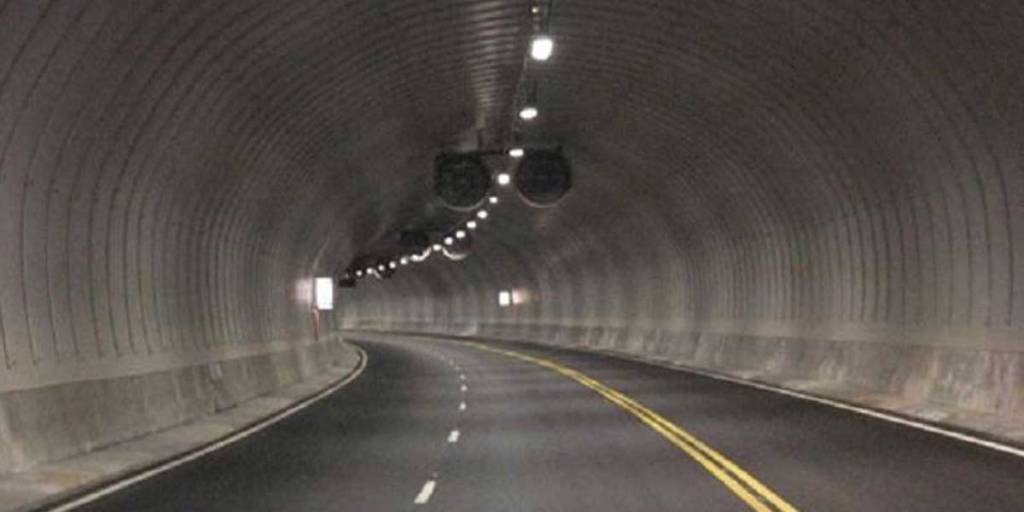
The notorious Bangalore traffic is a present-day problem and how the 38 year long mega project would address the same is a million-dollar question. By the time the project completes, what will be the population and what will be the expected traffic are questions that linger on. Sustainability of the project from unexpected financial cost escalation on the one hand and ecological concerns on the other hand, the Bengalurian is keeping his finger crossed.
Already ground water aquifers are affected due to unprecedented construction activities. Every residential apartment is contemplating on digging ‘one more’ borewell to augment the water demand as existing borewell yields are depleting sturdily. When the giant drillers start grinding the underground rocks to construct tunnel roads, will the aquifers not be blocked? Tunnel projects in India have created havoc in many places. Perhaps a few projects might have been successful and revolutionized transportation, but the long-term environmental impact is either not known or ignored. The rich biodiversity of India is gradually vanishing every day. Further the noise pollution and CO2 emissions during the currency of the project will go up significantly. So, the Paris Accord on global carbon emission standards for which India is a signatory also will be violated, feels the environmentalists.
What is needed to address the day today traffic snarl is to find out ways and means and exploit the IT skills within to digitally monitor the same and divert the traffic in over-congested areas. There is also a dire need to control the registration of new four wheelers and encourage public transport system. Of course. every city is facing the same problem. Speeding up of the construction of elevated corridors of Metro rail may also ease out the congestion to a larger extent. However, a multi-pronged approach is the need of the hour to address Bangalore’s traffic problem. Any development activity must envisage ecological sustainability, economic feasibility, population growth dynamics and technical feasibility, lest there will be no light at the tunnel, literally too!
 Dr V Selvarajan