
Bird lovers are highly disappointed!
Fewer migratory birds are spotted in Bangalore and other parts of the state. Climate change and global warming are cited as reasons for the drop in bird count. Most of the water bodies that house resident birds are seeing a decline in migratory birds. In Bangalore, winter months like November and December experienced a slight drop in temperature and January is expected to have a significant dip in temperature. In the first week of January, the forecast was that the minimum temperature may hover around 10°C during the next 10 days. Bird enthusiasts feel that Bangalore is slowly losing its bird population.
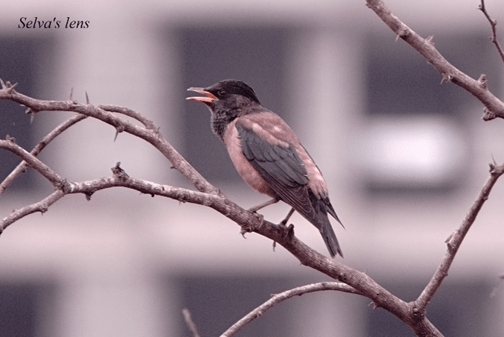
Migratory birds like Northern Shovellers, Northern Pintails, Common Pochards, Rosy starlings, and warblers were not spotted like in previous years. Migratory ducks like Garganey and sandpipers are recorded in fewer numbers. Someone had spotted the migratory Bar-headed geese near Mysore. Birders were anxiously searching for such migratory birds but to no avail. A decade ago, the migratory birds used to land in Bangalore says some avid birders. El Nino effect has undoubtedly cooled down the weather which should be suitable for birds to land here. Due to reasonably good rains, sufficient water is seen in lakes and waterbodies. Despite that, why birds have not landed here is a research topic. Incidentally, certain points need to be given attention. The garden city seems to be slowly giving up its green cover on the one hand due to rapid urbanization. This has led to massive encroachment of the buffer zones of the waterbodies. On the other, untreated sewage water enters the lakes in many cases. The water quality in these rain-fed lakes has deteriorated with no potential for aquatic life. This may be one of the reasons for birds to avoid the city’s lakes. Most lakes are under BBMP’s jurisdiction, so violations like letting sewage water in or encroachment in buffer zones are seen as a blatant misuse of power. Birds like painted storks prefer shallow water, while some migratory ducks are comfortable with more water. Researchers feel that deteriorating water quality is the major reason for the decline in bird populations. Populistic cosmetic changes like tiling the lake walking track, lighting the bunds, and providing park benches, or open gyms cannot revive the lakes. Unscientific de-weeding and desilting will end in biodiversity loss in lake ecosystems. Indeed, the authorities are also taking certain initiatives like Kere Mitra and online grievance redressal portals such as Janaspandana app and Sahaya app for quick solutions. However, most officials either remain insensitive or lack knowledge about ecosystem preservation and the importance of birds in the food chain. Against this backdrop, the naturalists and birders still hope that some migratory birds may land in the next few days. Global warming and climate change are attributed as reasons for the fast decline in birds, but the reality is that most changes are man-made (Rosy starling in the picture)
 Dr V Selvarajan