Last August, the Karnataka Cabinet approved the Tunnel Roads Project (TRP) of Bengaluru. This 18-km TRP is between Hebbal and the Silk Board junction. The tunnel corridor is expected to facilitate smoother and speedier vehicular movement, enhance transportation efficiency, and support economic growth by improving connectivity between important corridors. This initiative is deemed the Government’s commitment to sustainable urban development and infrastructure modernization. However, Bengalurians do not seem to be enthusiastic about the project. Scientists from the Indian Institute of Science, Bengaluru, do not advocate the move. They say that the move is unscientific and will not ease the traffic problem in the city. The project could disrupt groundwater flow, threaten local flora and fauna, and exacerbate the heat island effect. Environmentalists say the underground aquifers will be cut off drastically, drying out borewells and waterbodies. Some geological complexities, such as rock fissures, sinkholes, and landslides, will derail the project. The DPR of the project is said to have no satisfactory environmental impact assessment (EIA). The project cost is too high and is not commensurate with the expected benefits. It is always argued that such mega infrastructure projects are time-consuming and cannot rule out huge cost escalation.
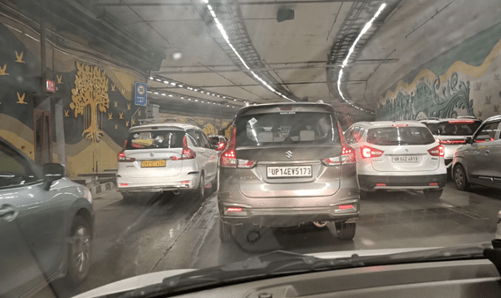
An ordinary citizen looks for making the road cyclable or walkable for short distances, while public transportation is the key for longer distances. Therefore, there is opposition in the form of online signature campaigns, media highlights, and warnings about cost escalation. The metro rail construction is in slow progress. Even if the city is connected by Metro, there will be last-mile connectivity issues as the city is expanding in all four directions. Looking at Delhi’s experience, Bangalore residents will also be comfortable using the metro rails. In addition, the roads of Bangalore cannot bear the load of vehicular traffic, as they are mostly narrow. With affordability increasing, the four-wheeler sales have grown tremendously in the last few years. We can also explore introducing economical mofussil electric trains, using the train routes and connecting railway stations inside the city, like those of Chennai and Mumbai. Moreover, why don’t we have a comprehensive traffic management system? I happened to talk to an engineering student. I asked him whether there is any satellite-based solution for Bangalore’s traffic snarls. He was optimistic and said we can easily integrate traffic signals through an integrated digital platform that could be effectively monitored and managed. He added that the tunnel project will not solve the persistent traffic problems. Why can’t we consider such ideas from our young engineers? In any case, the tunnel road projects will be a futile exercise on one hand and will end in disaster in the long run. After all, where is the assurance that there won’t be jams in tunnels? (see the tunnel scene in Delhi)
 Dr V Selvarajan