
‘All that glitters is not gold, but plastic’
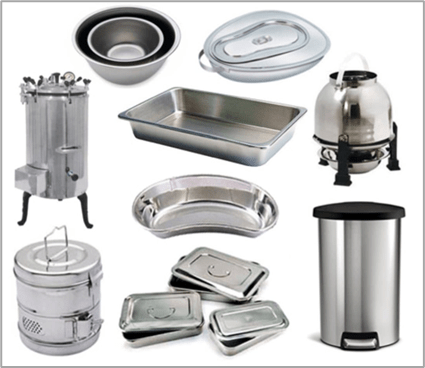
I am confident that my new proverb sounds clear and loud. I have the right to mention this, as I was discharged from the ICU. My two-night nightmare was not about the tubes that connected me to the digital screens. At least once in a lifetime, any human being, like me, is subject to the medical ordeals invariably followed by the insurance tortures, and I am not an exception. A sudden hospitalization requires you to first go to the emergency ward, then ICU, and then the general ward before you are dumped into a wheelchair to bid farewell with a due date for post-hospitalization follow-up. By that time, you would be exhausted physically, mentally, and monetarily. The purpose of my writing here is not to share my pains or gains. And my ailment was not a big deal for me, but to my shattered family. Conscious, I looked around to see what was happening in ICU. As someone who is environmentally conscious, I was particularly struck by the use of plastic wraps, gloves, syringes, bandages, swabs, and needles, as well as the overwhelming number of disposable wraps for various medical items handled by the staff. And yes, this was in addition to food packages, spoons, plastic straws etc, which are banned in the outside world under the SUP category. This is not the first time I’ve seen an ICU, I must admit that the outlook of hospitals has undergone a significant change. From a single hospital, a substantial amount of disposable waste is generated; consider the impact of thousands of hospitals in every city! As I thought a plastic audit was needed, a nurse came to assist in my daily routines, put on gloves, and in a few minutes, dumped it in the dustbin. Perhaps she might have dumped about 100 pairs of gloves on that day for patients. As usual, I am reminded of the golden era of the 20th century when hospitals were filled with stainless steel utensils, scissors, and knives, in the clinics and operation theatres. Where have they vanished now? Even 10 years back, the ICUs were not like this. It is not that we do not want technology advancements? But are we progressing sustainably? In the outside world, we are vociferous when someone uses a PET bottle. Here in a hospital, are we following SUP norms? Are the medical fraternity aware of how much plastic they dispose of without any sensitization? It is important to recognize that infectious medical waste requires careful disposal, often necessitating incineration in specific circumstances. In addition to managing these unavoidable waste types, conducting a plastic waste audit in hospitals can be highly advantageous. This approach helps to minimize the use of disposable items while maximizing the use of reusable alternatives, ultimately contributing to more sustainable waste management practices.
 Dr V Selvarajan