
“Ecotourism has brought both excitement and challenges to the world of wildlife. Unfortunately, the surge in crowded safaris and the exuberance of tourists can intrude on the natural privacy that these majestic animals need”
Published in South Express on 15.11.25

We made this observation in the South Express editorial on 2nd Aug 2025. Exactly after 2 months, we hear that the Karnataka Forest Department has suspended safaris in Bandipur and Nagarahole Tiger Reserves. The action is due to the tragic death of a 35-year-old farmer, Chowdaiah Naik, who was killed by a tiger near Hale Heggodilu in the Mysuru district. This is the third such attack in this area on a man by wild animals in the recent past. Karnataka’s Forest Minister Eshwar Khandre swiftly ordered the ban in response to local community concerns and instructed forest officials to capture the responsible tiger. While we appreciate the Minister’s prompt action, it raises concerns among eco-tourism advocates regarding the future of safaris in large reserves like Bandipur and Nagarahole. The main objectives of ecotourism are to conserve the natural environment, provide economic benefits to local communities, and educate visitors about conservation and local cultures. It aims to achieve this by promoting responsible travel that minimises negative impacts, respects local people, and provides financial support for conservation efforts. In the context of ecotourism, general tourists participating in safaris to experience the thrill of spotting a tiger in a natural forest often show little concern for conservation and habitat protection. Some even dare to go closer to the tigers and take selfies. Already, many incidents of such pseudo-adventure have been highlighted by the media. A signature campaign is currently underway to lift the suspension to protect the livelihoods of locals who rely heavily on ecotourism. Ecotourism can be a viable option if it is grounded in nature conservation and habitat protection. However, stricter rules and firm enforcement are necessary.
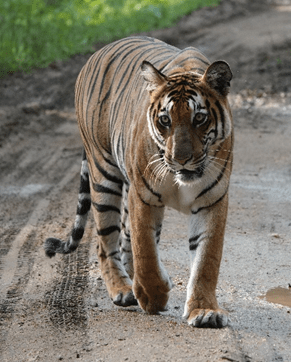
All safari jeeps should be equipped with recorded messages outlining the dos and don’ts when tourists are permitted inside the reserve forests. The practice of jeep drivers notifying each other and parading all vehicles around an animal must be banned. Hundreds of jeeps often rush to the location where a tiger is spotted, disrupting the animal’s privacy and peacefulness. Strict measures must be implemented to establish clear ethics for safari vehicles. India is home to two-thirds of the global tiger population. If compliance with regulations is ensured, revenue from ecotourism could enhance opportunities for wildlife protection.
 Dr V Selvarajan