Why stubble burning is not there in South India?

Published in Dwarka Express on 26.11.23

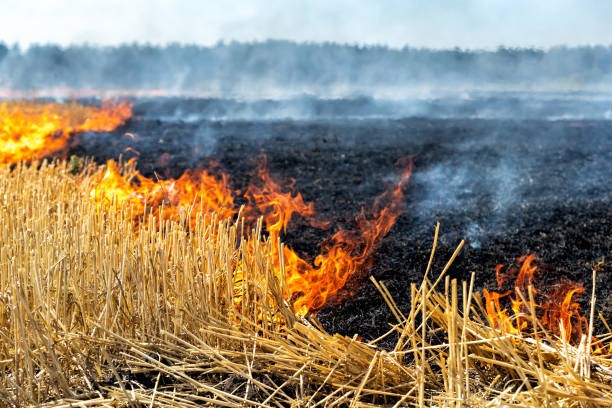
‘Delhi has become a gas chamber. It is not possible to breath’ grumbles a Delhiite. ‘Delhi is far better, Patna is worse’ says another, while there was another voice, ‘Haryana is worst’. Whatever may be the comparison parameters, the fact remains that the entire North is reeling under air pollution pressures as is evident from Central Pollution Control Board (CPCB) data. CPCB’s Graded Response Action Plan (GRAP) measures are put in place. Many medical advices are on air. But such stubble burning cases are not reported from South India. In south, the stubble is used as cattle fodder.

Why don’t the South India’s model be practiced by Punjab farmers to give up stubble burning. For one reason, the climatic condition in South is different from North. For any human action, there is some linkage to environment. Secondly, the crop seasons and patterns also make the difference. There are two main crop seasons in India, namely rabi and Kharif. Rabi crops like Wheat, Barley and Pulses are harvested during April to June and Kharif crops like paddy, Maize, Jower etc are harvested during Sep to Oct. In South, the farmers do not depend on wheat cultivation during Rabi and instead they sow pulses and millets. They are not in a hurry to plough the land and sow the seeds hurriedly. In Punjab and Haryana, farmers need to make frantic efforts to use the seasons and, in this process, they are in a hurry to prepare their lands for the next season. Especially the short gap during Sep to Oct make them go desperate to keep the land ready for the next sowing the rabi crop. Climatic changes worsen the situation. Especially the month of October is crucial and, in their anxiety, the farmers go for burning instead of trying alternate methods.  In 80’s and 90’s, North Indian cities like Delhi had minimal impact due to stubble burning. In olden days, the stems left out after harvesting grains, called fodder or tudi in Punjabi and used for cows, bulls and buffaloes as animal feeds. Nowadays, the usage of animals for ploughing is replaced by tractors. In South, the usage of animals is retained still. Traditionally also, festivals like jallikattu in Tamilnadu, Maramadi in Kerala or Kambala in Karnataka have been useful to retain the usage of bulls and buffaloes. In fact, farmers in Punjab also admit that the burning of stubble in the land spoils the quality of top soil and makes it unhealthy, besides polluting the air. Fodder serves as animal feed as well as natural fertilizer. Even as we consider alternate uses and ways to utilize or dispose stubble, the process is time consuming and the technology is not up to the mark as of now. The earlier machine used for converting the stubble into fertilizer proved slow and not economical. Thus, an estimated 10 million tons of stubble out of 22 million tons produced are still burned each year, causing severe environmental damage. Considering larger interest, Governments need to play an important role cutting across party politics, by subsidizing super seeder machines, incentivizing sale of fodders and encouraging short term paddy crops. This will enable the civil society to guard against the ill effects of air pollution

The exponential growth of e-waste

Published in Dwarka Express on 11.11.23

If you think of the age of your electronic gadgets like smart phone of laptop, TV or digital clock, at the maximum age you could remember may perhaps be 2 to 3 years. The model becomes obsolete and you feel like throwing it and get a new one to stay tuned to the modern lifestyle. Consumerism has taken a heavy toll indeed. But the other reason for the heaping up of e-waste is that the life of all these electronic gadgets is also very less. The changing paradigm of volatility vis-à-vis consumption pattern poses a biggest challenge to yet another conspicuous environmental issue known as electronic waste or simply e-waste. The present economy is working on a linear pattern known as ‘TAKE-MAKE-DISPOSE’. This is clear with the India’s e-waste growth rate that has surpassed 30% Compound Average Growth rate (CAGR) according to one study. In 2020-21, India generated about 16.01 lacs tonnes of e-waste out of which hardly 33% was collected and processed last year. The rest ended up in landfills or incineration plants instead. While India has sufficient processing and recycling units to handle the entire lot of e-waste, it is simply weird that the e-waste is mounting up.

As per E-Waste (Management) Second Amendment Rules 2023, a new set of guidelines and obligations for producers of Electrical and Electronic Equipment (EEE) and their components come into force in India. The producers have to ensure that their products do not contain hazardous substances like lead, mercury, and other restricted materials beyond the maximum prescribed concentration limits. This is to prevent the harmful environmental and health impacts that can arise from the improper disposal and recycling of e-waste. Further the rules focus on the recognition and registration of producers who bring electronic products into the market. The rules also highlight the importance of skill development for workers involved in the dismantling and recycling of e-waste. This is a positive step towards effective e-waste management.

Secondly from the present linear model, we need to shift quickly to the Circular Economy (CE) which is a deliberate intervention that aims to be restorative and regenerative. It replaces the concept of end-of-life with restoration and regeneration, embraces the use of renewable energy, eliminates the use of harmful chemicals that hinder reuse and return to the environment, and strives to eliminate waste through innovative material design, product development, system implementation, and business model creation. Electronic recycling needs efficient handling of the toxic heavy metals and other hazardous chemicals, which requires technical competency. Improper handling of e-waste will affect the health of the recycling workers and children.

Is killing leopard a solution?

Published in Dwarka Express on 4.11.23

After five nightmarish days for the local residents, the elusive leopard in Bangalore South was located and killed by the forest officials. The leopard was seen roaming freely near MS Dhoni School at Kudlu Main Road in South East Bangalore which is hardly 20 KMs from Bannerghatta National Park. It is a debatable question why a leopard should be killed when there are ways to trap it and relocate it. The Chief Conservator of Forest S.S. Lingaraja said that the Chief Wildlife warden has already given permission to shoot the animal at sight. There may be an argument that the forest officials were not able to locate it for 5 days and people’s life was more important. Let us analyze the whole episode

The video footages in social media suggest that the leopard first got into the net and immediately after that, there was a shooting sound. The debated question was why the young adult Leopard was shot after it was trapped into the net. The animal was dead within a few minutes of capture and it could not be revived. The Forest Department could have used tranquilizer shot to sedate the animal which might have saved it. Of course, the scared locals would laud the forest department’s action because there is a big relief from the scare.

The forest department rolled out a massive combing operation for 5 days and even summoned the Leopard Task Force from Mysore. Drones, pugmarks and droppings were used by patrolling by gunman who admit that they could not make a breakthrough in their operations. A 75 strong team was clueless to trace the animal in this congested area. Reports say that a veterinarian was also attacked. It is understandable that people’s life must be protected, but the modes operandi make our eye brows raised. In the ever-increasing man-animal conflict, the big blame by man is that an elephant or a tiger has entered into human territory who comfortably forget that we have entered into their territory. At the end of the day, shooting a valuable wildlife could have been avoided, and truly there is no voice for the voiceless!

Jim Corbett, the hunter turned conservator might have killed a few man eater tigers in early 20th century when technology was unknown. With drones and other latest technologies, tranquilizing and sedating an animal could have used by the forest conservators. Death is a punishment for a heinous crime. What sin the leopard have done in the present case? Forests are stripped and forest laws are tailored to allow encroachment. Either it is a state sponsored ‘encroachment’ under the garb of development, ignoring sustainability or it may be a cancerous intrusion of buffer areas of jungles. A recent effort to reduce the buffer areas of the river ecosystem from 1 KM to 500 Meters near Bangalore is one such bad example. We reiterate what we wrote in this column on 15.10.23. “Encroachment is a menace if it is unauthorized. But it becomes a rightful activity if it is permitted by the law”  

To be a ‘friend of a lake’ in Bangalore

Published in Dwarka Express dated 29.10.23

An interesting notification of Bruhat Bengaluru Mahanagara Palike (BBMP) has become viral and drew the attention of all lake activists in Bangalore. The notification invites the interested citizens to become the ‘Kere Mithra’ meaning friend of a lake. At the first instance, one wonders why he or she should register with Bruhat Bengaluru Mahanagara Palike (BBMP) to be eligible for a friend of a lake. Am I not a friend of lake, if I am not registered by BBMP, fumes an angry volunteer. Taking it in right spirit, many citizens rushed to register for becoming a BBMP nominated friend of the lake. Perhaps citizens might have thought that this may give an opportunity to be heard. But all are not lucky enough to get the registration done. For instance, if one clicks the dropdown menus one by one, he may land in his preferred Assembly constituency. He chooses the same and now the list below asks you to opt the nearby lakes in the constituency.

If one does not find in the drop-down menu a lake of his choice, say for example, in Malleswaram or Yelahanka constituencies, then the chance is that he would not become a Kere Mithra. Those people who are working for rejuvenation of a nearby lake may not get an opportunity to serve. On the other hand, it has also come to light that a number of lucky citizens of other wards have registered for some other lakes. The online format stipulates another condition. The lake must be within 2 KMs from the residence of the Mithras. A citizen is expected to upload his voter I card also as a proof of your proximity to the lake. Interestingly only 10 Mithras will get the opportunity if more people register on a randomization process. The story does not end here. The registration should have been done before 30th Oct 2023. Environment is not everyone’s priority and only a few come forward to take up the cause. If this is going to be a free service, can’t BBMP take a generous view of the nomination? The best way is to invite those who are interested in saving the lakes, shortlisting them on merits and allot lakes as per their choice to have an effective people’s participation.

We understand that a similar notification came up five years back and it could not take off. It is a good initiative to involve genuine volunteers. While welcoming it, we wish that BBMP should drop  aside the stringent restrictions like a) 2 km radius or b) cut off dates or c) Only 10 Mithras per lake  The need of the hour is to involve more concerned citizens in rejuvenating and maintaining the waterbodies. Let us hope that in a democratic country like ours where there are a lot of people’s representatives already such as MPs, MLAs, ward counsellors besides dedicated bureaucrats, one more step of roping in a volunteer is not a bad idea, though.

Proposed Bangalore tunnel road will damage the ecosystem

Published in Dwarka Express on 21.10.23

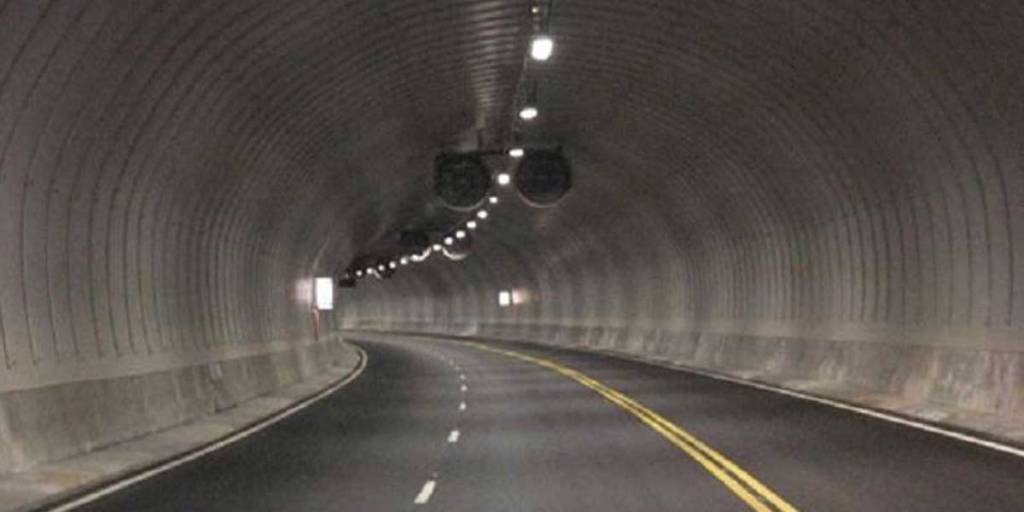
The engineering fraternity may be thrilled to have one of the world’s largest tunnel road in Bangalore and cheer up that the traffic congestion would be addressed by the engineering marvel. Political leaders might proudly announce that India has the state-of-the-art technology of global standards. The public may heave a sigh of relief that the nagging traffic snarls will not be there anymore though they know pretty well that the 190 KM long tunnel road in the congested areas of traffic jam will be a reality only after 38 years for the project to complete. How many of us would live to see the dream day is anyone’s guess. The proposed tunnel road is expected to cover 12 high density corridors such as Bellary Road, Old Madras Road, Mekhri Circle, Sarjapur Road, Hosur Road and Outer Ring Road, KR Puram, Silk Board etc. The mammoth project may involve an estimated investment of Rs 50000 Crore. 9 companies have been said to be shortlisted to submit feasibility report. 

The notorious Bangalore traffic is a present-day problem and how the 38 year long mega project would address the same is a million-dollar question. By the time the project completes, what will be the population and what will be the expected traffic are questions that linger on. Sustainability of the project from unexpected financial cost escalation on the one hand and ecological concerns on the other hand, the Bengalurian is keeping his finger crossed.

Already ground water aquifers are affected due to unprecedented construction activities. Every residential apartment is contemplating on digging ‘one more’ borewell to augment the water demand as existing borewell yields are depleting sturdily. When the giant drillers start grinding the underground rocks to construct tunnel roads, will the aquifers not be blocked?  Tunnel projects in India have created havoc in many places. Perhaps a few projects might have been successful and revolutionized transportation, but the long-term environmental impact is either not known or ignored. The rich biodiversity of India is gradually vanishing every day. Further the noise pollution and CO2 emissions during the currency of the project will go up significantly. So, the Paris Accord on global carbon emission standards for which India is a signatory also will be violated, feels the environmentalists.

What is needed to address the day today traffic snarl is to find out ways and means and exploit the IT skills within to digitally monitor the same and divert the traffic in over-congested areas. There is also a dire need to control the registration of new four wheelers and encourage public transport system. Of course. every city is facing the same problem. Speeding up of the construction of elevated corridors of Metro rail may also ease out the congestion to a larger extent. However, a multi-pronged approach is the need of the hour to address Bangalore’s traffic problem. Any development activity must envisage ecological sustainability, economic feasibility, population growth dynamics and technical feasibility, lest there will be no light at the tunnel, literally too!

Afforestation Vs Encroachment

It is said that in a laissez-faire economy, everything is possible as Government keeps mum and allows the market forces to take care of growth. In economy it may work but in ecology, unless the Govt intervenes to restore sustainability, the ecology and environment will be in doldrums. Therefore it is necessary that the Govt works in unison with several ministries to ensure that the ecosystem, biodiversity and environment get fair deal. If one aspect is taken care of while the other side is ignored, such development does not qualify for sustainable development. Two announcements came up during this week which made us to wonder the direction we are travelling.

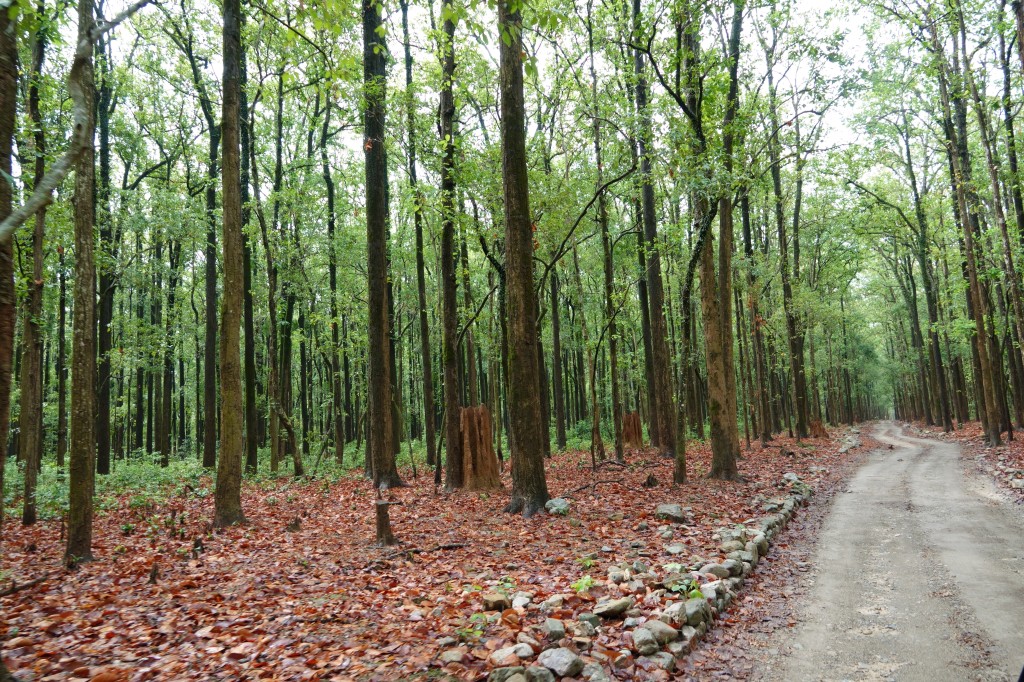
On the one hand the Karnataka Government has resolved to declare a total of 1,961.4 sq.km around six national parks and wildlife sanctuaries as eco-sensitive zones. This will protect the buffer areas from encroachment by vested interests to save the rich wildlife and forest. The six pristine forest areas include Kappattagudda, Bukkapatnam, Kamasandra, Nagarhole, Cauvery Wildlife Sanctuary and Dandeli Wildlife Sanctuary. One has to welcome the steps as this is a positive development in the direction of afforestation.

On the other, a disturbing news is that the Karnataka government is planning to implement the 2019 and 2021 decisions of the government to reduce the buffer zones of Arkavathy and Kumudvathy rivers from 1 KM to 500 meters. Interestingly both the rivers are flowing nearer to Bangalore. Though it is stated that only residential colonies would be allowed, not factories, it will not be possible to stop the unauthorised drains from residential area to get connected to rivers. There is no justification to reduce the buffer area any further. The buffer zone is in fact a part of the river ecosystem which also houses rich biodiversity and ensures that the river flow is not hampered.

Encroachment is a menace if it is unauthorized. But it becomes a rightful activity if it is permitted by the law. Already the Bangalore city has lost innumerable waterbodies like tanks and lakes. The city is becoming overcrowded due to migratory population and lots of apartments are mushrooming. Somewhere, a balance must be attained to keep the city water sufficient. We hope that goodwill will prevail and the encroachments are curtailed.

(Footnote: representative picture from internet)

Cruelty to trees must go!

Published in Dwarka Express on 7.10.23

Trees are voiceless and so they fall a victim to axes often. Punishments are there for humans if someone kills others in law. Erring humans are punished even if the crime amounts to an attempt to murder. Why trees are be treated similarly? Strange! How can a tree be compared to human beings; a feeble whisper is heard from a stone’s throw. If someone prunes a tree, twigs a branch or cut down its major portion, leaving the main trunk, how can this be treated as crime? This question is asked by many. After all trees are woods which are found in our home furniture and how can cutting a tree will be heinous crime, according to a few.

Recent scientific studies indicate that trees listen to music and they have feelings like human beings. Touch-me-not plant (Mimosa pudica) shrinks as soon as one touches it. The pitcher plant (Nepenthes pudica) traps an insect by closing the lid. Such actions suggest that the plants and trees respond to stimuli and therefore they have senses. But whether they feel the pain when they are cut is still a question mark. While going into the science is not our objective, we definitely feel the pain when a tree is cut. Plants do the respiration. They also grow like human beings. One day they are dead too. The vascular system of a plant has two main types of tissue, namely the xylem and the phloem. The xylem distributes water and dissolved minerals upward through the plant, from the roots to the leaves. The phloem carries food downward from the leaves to the roots. All these make us believe that trees are something special. Certain people treat trees as Gods. However, science is still evolving to substantiate that the trees and plants have feelings like human beings.

Under such circumstances, many organizations, scientists and volunteers emerge in nook and corner of the world to save trees against onslaughts. It is not without reason. The fact that the trees are the only oxygen provider on earth, other than the clinical production of oxygen in cylinders, justifies the need to protect them and avoid damage to trees. So many of us call it inhumane when the trees are felled or cut to size. The state also has enacted sufficient rules to protect trees from cruel treatment. First time in India, the Indian Forest Act, 1927 was introduced in India which levied a penalty of Rs. 10,000 or 3-months imprisonment on any person who cuts down a tree due to any reason. But this is about trees in a forest and there arose a dire necessity to save the trees in urban areas. Slowly the state realized that they should protect the trees by bringing rigid laws.

Besides the Environment (Protection) Act, every state in India has its Tree Protection Acts and they levy penalties for felling the trees or pruning them beyond permissible levels. They also penalize those who are nailing the trees for advertisements. Concretization around the base of the main trunk is also prohibited to enable trees to have breathing space for roots. Trees should not be entangled with electricity coils to beautify the surroundings.  All said and done, still we find that the said tree acts are violated. The rules are indiscriminately deviated in order to accommodate the contemptable and the powerful lot, thereby doing more harm than good to environment.

Constitution cares about environment!

Published in Dwarka Express on 30.9.23

The architects of Indian Constitution deserve kudos. Even when there was no sufficient scientific thrust to environmental science, as is available today, it is simply great that our forefathers had included environmental concerns as part of fundamental rights. May be, had this much environmental information available during 1940’s, the draft would have added environment as one of the fundamental rights. Nevertheless, Article 21 gains importance since it has a direct bearing on environment. No person shall be deprived of his life or personal liberty except according to procedure established by law as per Article 21 of the Constitution. Keeping in mind, this fundamental right to life, the Constitution goes further to say under the Directive Principle, (Article 48A) that the State should endeavour to protect and improve the environment and to safeguard the forests and wildlife of the country.

Does the Constitution only mention about the fundamental rights? Interestingly the Constitution also underlines the obligations of the citizens under Article 51A. It is the duty of every citizen to protect and improve the natural environment including forests, lakes, rivers and wildlife and to have compassion for living creatures. In addition to the Constitutional provisions, various acts such as Environmental Protection Act, Wildlife conservation act, Acts and rules for Pollution control, waste management, water quality etc had come handy for pleaders to safeguard the interests of common man.

Given the constitutional provisions stated above, the question arises, ‘is the common man happy about the status of environment?’ The answer is obvious and needs no emphasis. The blame game politics continues while a huge number of disputes lingers on in courts for years. Article 21 i.e., the right to life, read with Article 32, i.e., the right to seek constitutional remedy from the Supreme Court if they have been deprived of their fundamental rights are often cited by learned counsels to place their firm argument in innumerable litigations all over the country. Nevertheless, we have also come across petitions that have failed in courts against the voluble civic anxieties, may it be infra construction or unmindful deforestation.

From time to time, the time-tested legal provisions are warped to ensemble the powers that be, grounding the logical and scientifically proved ideals of the environmental tenets, only to culminate in disasters and loss of lives as well as properties. The recent plummeting of Joshimath is a clear consequence of one such Himalayan blunders. Constitution will come handy only when the enforcement is in letter and spirit 

Is it possible to celebrate festivals ecofriendly ?

Published in Dwarka Express on 23.9.23

Come September, our traditional festivals start with a bang. As the autumn sets, it is quite natural for us to celebrate and thank God for all the prosperity. Ganesh Puja is the one festival that units India with every region celebrating it with fervor. The Supreme Court on Monday (September 18) refused to interfere with an order passed by the Madras High Court which disallowed the sale of Ganesh idol made of Plaster of Paris. This decision gathers importance in the wake of the ongoing debate about the usage of ecofriendly idols during festivals. Bangalore is always playing the lead role in bringing changes in perceptions. In fact long since, Bangalore has been identifying common immersion centres for immersion of clay made Ganesh Idols. Most of the homes in Bangalore use clay made idols. Once upon a time, whether it is Tamil Nadu or Karnataka, the households used to buy clay made idols only. Just like plastic invaded the country, POP materials replaced our rich tradition. Time has come to reconsider the new menace.

A study about the impact of immersion made by CPCB in Bangalore lakes revealed that the acid contents in the water increased enormously. Total dissolved solids (TDS) have increased by 100%. The heavy metal content sampling showed an increase in metals such as iron which increased nearly 10 times and the content of copper in the sediments increased by 200 to 300 %. CPCB has issued a set of guidelines for State and Central Governments to follow not only during immersion but also for using plastic free materials during the Puja. It is very essential that everyone raises to the occasion, cutting across every diversity and exhibit responsibility to save Mother Earth. Last year from July 1st onwards, our honorable Prime Minister has initiated steps to ban the Single use Plastic. Though plastic per se may take quite a long time to disappear from market, at lease some efforts must be taken to stop polluting our waterbodies and atmosphere. Everyone has to play his part to shun away the non-biodegradable items in our day today life.

Do we have a right to blame plastic? Part 2

Published in Dwarka Express on 16.9.23

In the last issue we said that we do not have the right to blame plastic, since it appears that we cannot literally live without plastics. In our life before 70s, we had least of plastics in our day today life, but now it is difficult to imagine a life without plastics.

How plastics came to us?

Plastics are petroleum products and about 4% of the oil extracted in the world is only used for producing plastic and is being used in everyday life. In fact, the wide range of utilities and the ease at they could be produced have forced us to think of plastics as part of life. Plastic production begins by heating the hydrocarbons in the presence of a catalyst. The conversion of the crude oil ends in forming monomers like ethylene, propylene, butane and styrene. Such monomers are chemically bonded into polymers. Some most common types of polymers, or plastics are PVC, LDPE, HDPE and PET. Mineral water bottles and plastic glasses are the major items in our day today consumeristic style of living. When it entered the market in last few decades, we never anticipated the havoc that was in store.

Is Recycling plastics a solution?

Plastic industry always defends its side by saying that the plastics could be easily recycled. But reality shows that the plastics are not fully recycled as claimed. Moreover, the research shows that the plastics cannot be recycled more than 3 to 4 times. After that, it becomes trash simply. Even if the recycling industry does its part, in actual terms, the workers who handle the recycling work have to compromise their health, as the process is toxic, besides contaminating ground water.

Recycling or rejecting?

Complete Recycling appears impossible at least for now and more so, complete elimination of plastic from the planet Earth also appears difficult. It is therefore essential to find out ways to effectively reducing the usage of plastics. Finding alternatives may be a challenging job but not formidable. Already soft remedies are visible. Biodegradable, eco-friendly products are being advocated in almost all spheres of life. What the world needs is a wholistic and all-pervasive effort to address the issue.

Single Use Plastics

In July 2022, Prime Minister of India came up with a plan to ban single use plastic (SUP). But after a year, our apprehensions have come true. The SUPs are yet to go. About 26,000 tons of plastic waste is reportedly generated across India every day, of which more than 10,000 tons stay uncollected, leave alone recycling. Of course, there are punitive actions also in force, like, spot fine on waste generators Rs.500/- and spot fine on institutional waste generators Rs.5000/-. If we take stringent measures, the SUPs which dominate 50% of world plastics may go soon. But more effective actions must be envisaged with severe financial penalties and criminal punishments to phase out SUPs at least

Do we have a right to blame plastic

Published in Dwarka Express on 9.9.23

The courier boy delivered by cheque book and I was delighted to receive as mine was a long wait. But my momentary pleasure vanished when I found the plastic cover which brought the same. Earlier an email came that the cheque book will be delivered in 15 days. Below the signature line of the Bank, it was written, “Use email, do not waste paper and be instrumental in cutting millions of trees”. The same bank has now sent the cheque book in a plastic cover. Interesting thing is that the plastic cover is not reusable. It had to be torn open for the obvious security purpose. Amazon or flip cart delivers any item in a well packed material. Thermokol inner liners are again covered by plastic glass covers, then card board and again plastic upper cover. Next day morning all packing materials go to dry waste chambers from where they are lifted by segregating agencies. We are all party to these. About 2 decades back, we did not have such a huge generation of plastic.

The question arises whether we can completely shun away the plastic. There is no answer indeed because the world has not evolved any alternate to the changed lifestyle. PLASTIC HAS BECOME AN INTEGRAL PART OF OUR LIFE. First let us admit that. I therefore confidently say, “Plastic per se is not our alien”. If we say like this, many will be surprised! But let us admit this bitter truth. But obviously it is a threat to mankind. Landfills are losing their carrying capacity. With the ever-growing population, our land use and living space become narrower, resulting in less space for garbage dumping. The Corporations, Municipalities, town and village panchayats are becoming handicapped to handle the garbage generated. On the one side corruption plays a major role, but on the other hand the genuine officials also struggle to show effective results. There is rarely a city without plastic dumping in unauthorized dumpling spots. 

For instance, make a mini travel inside your house, and start with your bathroom, to take stock of plastic there. Right from a tooth paste and brush, everything is plastic. Your comb, cosmetic wrappers, perfume bottle, sanitizer, napkins, Handwash bottle, shampoo bottle, razor handle, Shaving cream tube, Soap box, bucket, mug, stool, toilet cleaner, closet lid, exhaust fan and the items are endless. You all use it. When I say YOU, I include myself also.  And we come out and cry loud, “Say NO to plastic”. Is it not hypocrisy? Don’t just stop at bathroom. You make a travel around your house. I recently listed about 100 plus items in my entire flat. Besides, use and throw refills, plastic from toilet to dining table pose a big question mark whether we can throw these items forthwith. The answer is a big NO.

Well, our debate will continue in the next issues also. We look for a healthy debate and look for your reactions. And the best suggestions will be published

Could we solve water crisis?

Published in Dwarka Express on 2.9.23

Namakkal district in Tamil Nadu has become the second-best district in India in water management according to India’s Jal Sakthi Ministry for the year 2022. The district has 5 municipalities, 19 town Panchayats and 322 village Panchayats had geared up to solve the acute water crisis. A holistic approach was followed by the administration involving communities to face the crisis and they adopted rain water harvesting, percolation tanks, check dams across rivers and rivulets, village ponds, trenches and artificial recharge structures and what not. The result was that the district became water surplus. A few STPs were provided as part of Tamil Nadu Govt’s Nadanthai vaazhi Cauvery scheme. Some encroachments were removed simultaneously

Not a big deal, if alone the powers that be, make a comprehensive plan of action and it becomes a reality when people become partners. Today rainwater harvesting has become mandatory in multi storied complexes, though we often come across the concern vociferously expressed by residents that the RWH units are either defunct or defective. Many a time the connecting tubes from terrace are clogged or filled with muck and the RWAs find it difficult to incur additional cost in revamping the system or repairing the filter media as it involves capital cost.

Under this backdrop, it becomes necessary to resort to natural rainwater harvesting systems in the form of tanks, ponds and reservoirs which can cater to the summer needs in addition to recharging the ground water. There is a dire need to save all lakes and water bodies which should be desilted. Allocation of funds for dredging, de-weeding and desilting are essential to save the natural waterbodies. Strom water drains must not be encroached and any violation needs to be firmly dealt with.

Coming to Bangalore, Kempe Gowda, the visionary and architect of Bangalore who lived in 16th Century envisaged that water is needed in the city if his dreams are to come true, and he built number of tanks and reservoirs during his short span of 59 years. These tanks were slowly destroyed or disappeared from the google maps. We are searching for water in moon and India’s Chandrayan is known to have traced a few evidences of water. But, the day to bring water from Moon or Mars is a remote possibility though, it can’t be ruled out. But it may not be a surprise when we hear a news that some alien, extra-terrestrial or an UFO land in plant Earth in search for water. Perhaps they would report in their planet that there is evidence of water in Earth!

Precisely we are running out of water as well as time!