Is open defecation still a problem in the 21st century?

My friend cautioned me, ‘Please be careful while walking.’

A few days ago, we went birdwatching at a location between Bangalore and Mysore. I prefer not to disclose the name on this platform. My friend was right in cautioning me. When I looked down, I noticed human waste everywhere. A long time back, I used to travel by train from Delhi Cantonment to Gurugram. On both sides, we used to see many people relieving themselves, unmindful of the train passing next to them. A luxury train (palace on wheels) used to pass the same route every Wednesday, carrying foreigners to see Jaipur, Jodhpur etc. We used to wonder what the tourists would think of our country.
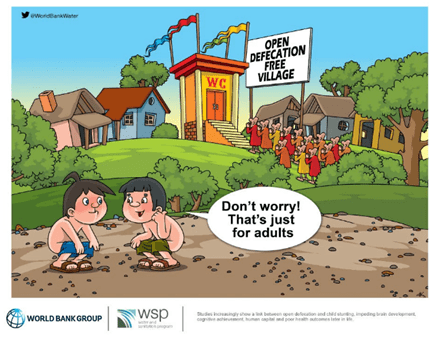
Whether it is a lake bund or any other water body, people do not hesitate to relieve themselves. And this is not an isolated case. And the situation is not just in rural areas, but Urban areas too. India is not yet open defecation-free (ODF), although the Government of India constructed 630000 public toilets under the Swachh Bharat Mission – Urban. This may sound exaggerated, but it is true. This count includes public and community sanitation facilities built to provide toilets in markets, bus stands, railway stations, parks, and other public places. Government data indicates that most villages have achieved ODF Plus status. However, external reports from various sources suggest that having a toilet does not guarantee its use. Neither the number ensures cleanliness of the public conveniences. Mindset is also an important factor. Many villagers prefer to choose open area. Lake bunds and river sides are easy targets. During our walk along the river and lakeside, just a fortnight ago, we were personally witness to this bitter reality. Most of the Southern states have access to household toilets, but in some northern states, such as Bihar, the situation is far below.  Some may have a wrong notion that human waste is biodegradable and nothing to worry about. Years back, a data was released about the water quality of river Yamuna at Delhi. At Okhla, a test conducted by researchers revealed that the Coliform bacteria (found in fecal matter) was a formidable 11.8 Crore in 100 ML as against the tolerant level of 5000 bacteria in 100 ML. So the bacteria may cause harmful disease if left in the open. Children may be infected easily. But we must not forget the reality. A full-fledged socio-cultural change besides economic improvement among common men need to blossom to accept the health aspects of cleanliness

DO YOU KNOW? 3.4 billion people still live without safely managed sanitation services – nearly half the world’s population.   354 million people still practise open defecation, increasing the risk of disease and harm, especially for women and girls. (SOURCE: WHO/UNICEF, 2025)

Environment can’t be saved in air-conditioned halls!

Published in South Express on 25.10.25

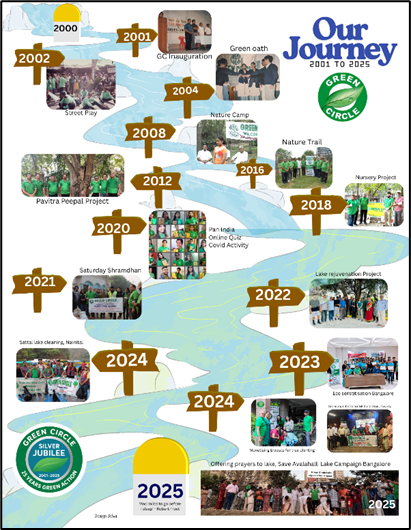
‘Banker by profession, Birder by choice!’ Yes! This is how I want to reflect on my personal journey. I wish to deviate from my usual editorial to share my thoughts on environmental activism and whether I am fit for the passion chosen! During my college education in zoology, I became fascinated by bird migration, a topic that my professor handled amazingly. This inspired me to take up birdwatching as a hobby. Through watching birds, I became motivated to engage in conservation, which ultimately led me to environmental activism. Pursuing a career in banking while doing some justice to conservation was not that easy. I took to environmental activities four decades back to start my first conservation work in Tamil Nadu. After spending nearly four decades as an environmental activist, I am not confident whether I do justice to this title. To truly make a difference for our environment, we need to roll up our sleeves and get to work at the grassroots level! The Rio De Janeiro Earth Summit in the 90s awakened many of us to think globally and act locally.  I put a question, ‘Why should I wait for my retirement?’ Let me start doing something! So, I contemplated forming a social organisation with the support of enlightened friends, and took efforts to get a lake declared as a Bird Sanctuary in Tamil Nadu, where a huge number of birds were present. Then came the jolt that I was transferred to Delhi by my Bank. I took 7 years to find a like-minded team in Delhi to continue my mission. At last, I founded Green Circle in Dwarka, New Delhi, in 2001. I could have chosen to be an independent environmentalist or could have written books on birds and wildlife. However, my inner voice guided me to focus on making small collective efforts, believing that a team can create a more powerful impact than an individual. Green Circle has now traversed 25 years of environmental action, during which I have gained more valuable lessons than I would have through solo efforts. Looking back, I feel proud of what I’ve accomplished. From designing flyers to maintaining accounts and organizing dharnas, rallies, and grassroots climate action programs, namely, plogging and tree planting, I’ve engaged deeply with environmental efforts. I’ve also presented at seminars alongside esteemed scholars, all under the Green Circle banner with a dedicated team. However, I believe our actions must lead to real conservation. Merely holding poster-making competitions or presenting papers in air-conditioned halls won’t combat climate change. Many global conventions face the same fate. As we approach our Silver Jubilee celebration on November 1, 2025, in Dwarka, New Delhi, I urge my fellow Green Circle members to reflect on these thoughts seriously.

Green Circle celebrates Silver Jubilee in Dwarka, New Delhi

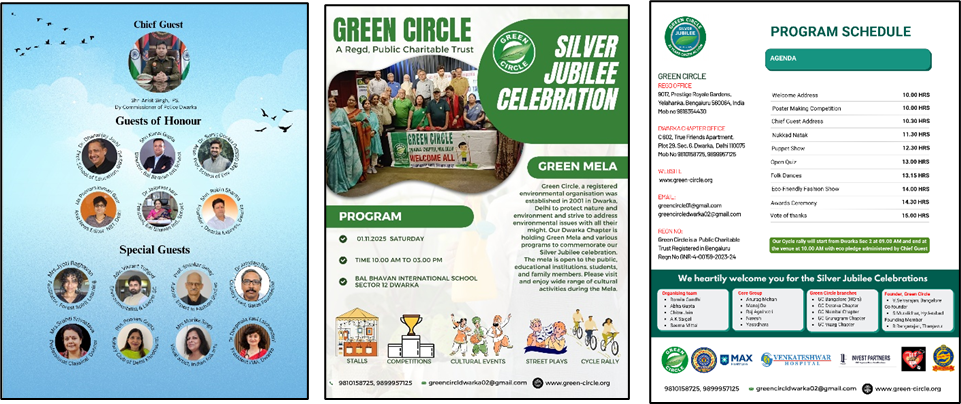
Green Circle, a voluntary environmental organization that began its journey in Dwarka 25 years ago, proudly celebrates its Silver Jubilee Year. Founded with the vision of creating a cleaner, greener, and more sustainable community, Green Circle has grown into one of the most active and respected environmental groups in the region. Over the years, Green Circle has undertaken a wide range of impactful initiatives to promote environmental awareness, community participation, and ecological preservation. Its consistent efforts have inspired citizens, schools, and institutions to join the green movement. To commemorate its Silver Jubilee, Green Circle is organizing a grand community event, “Green Mela 2025” on 1st November 2025 at Bal Bhawan International School, Sector-12, Dwarka. The Chief Guest of the day is Shri Ankit Singh IPS, Deputy Commissioner of Police, Dwarka. The Guests of Honour are: Dr Dhananjay Joshi, Professor GGSIP, Kunal Gupta, Director Bal Bhavan International School, Dr Sumit Dookia- Professor GGSIPU, Poonam K Gaur, Asst. News Editor NBT, Dr Jaspreet Kaur, Principal Bal Bhavan International School, and Robin Sharma, Founder Dwarka Express. Eminent persons like Adv. Vikrant Tongad, Dr.Deepmala, Jyoti Raghavan Dr Arindam Ray, Shristi Srivasthava, Prof. Shankar Sahay, Poonam Gupta and Monika Singh will be the special guests. The event will bring together 50+ schools and over 1000 participants, featuring eco-stalls, painting and poster competitions, street plays, cultural performances, and interactive environmental sessions under the theme “Environment First, Efforts Must.” An estimated 2,500 footfalls are expected.

Sign language

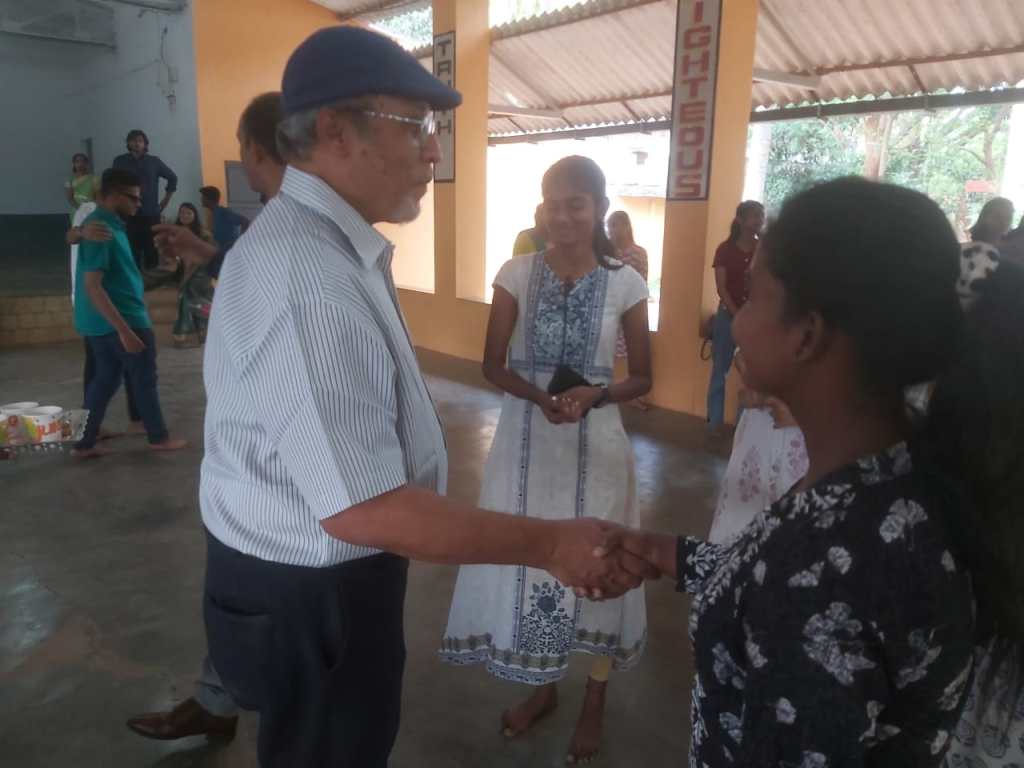
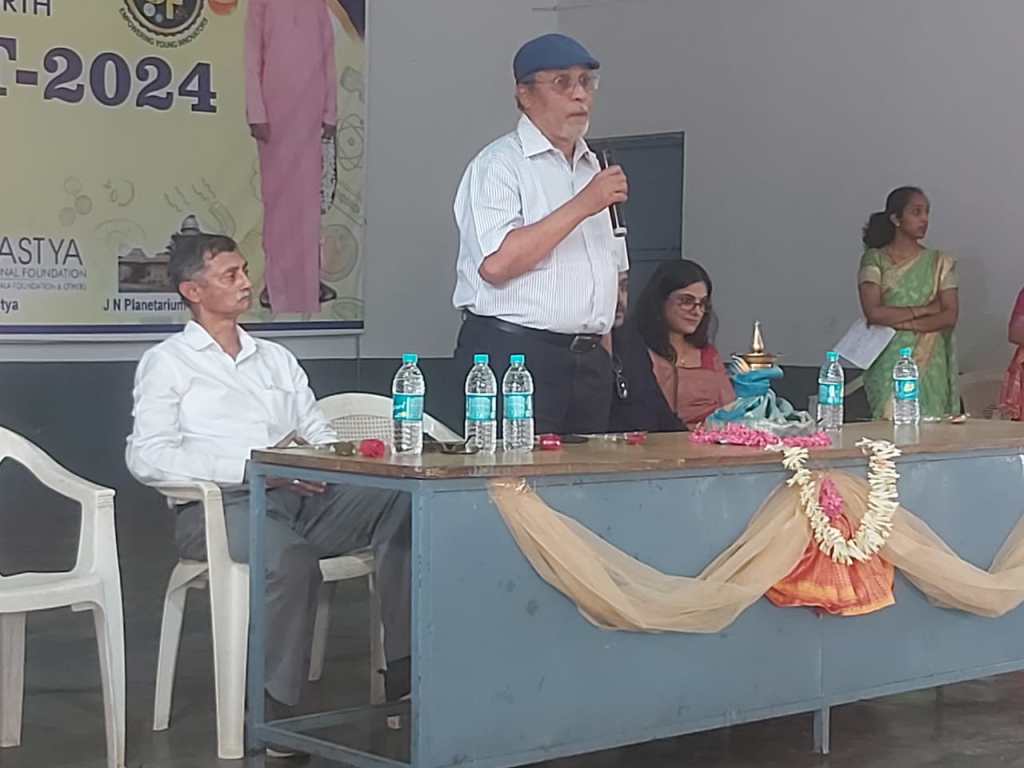
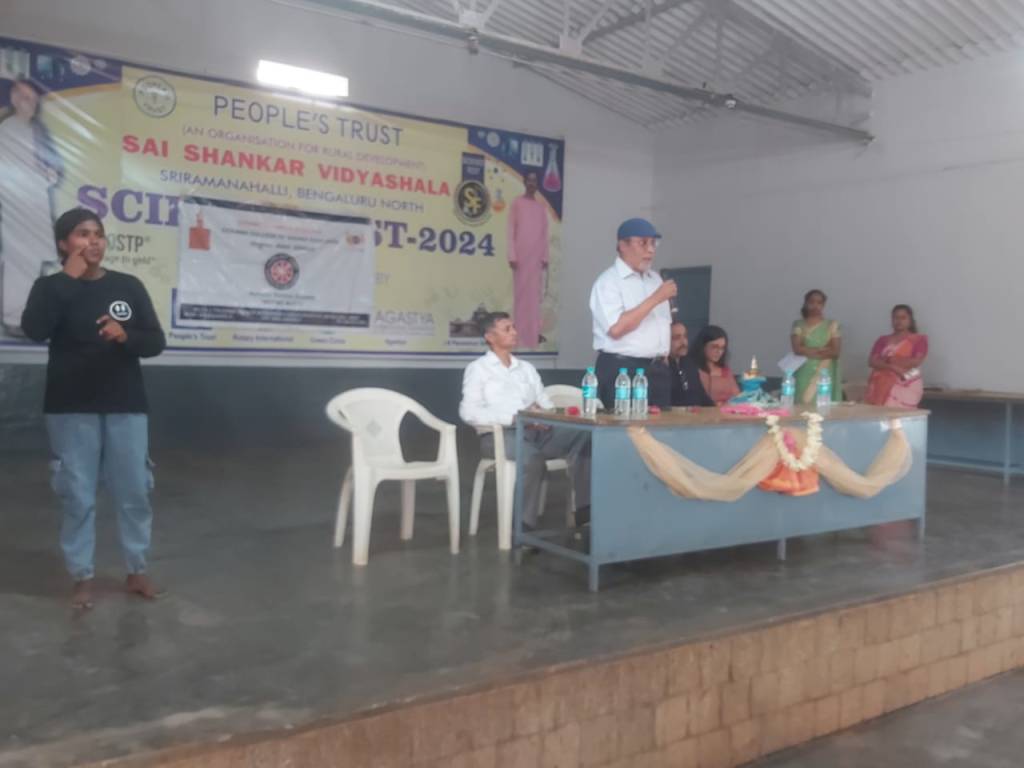
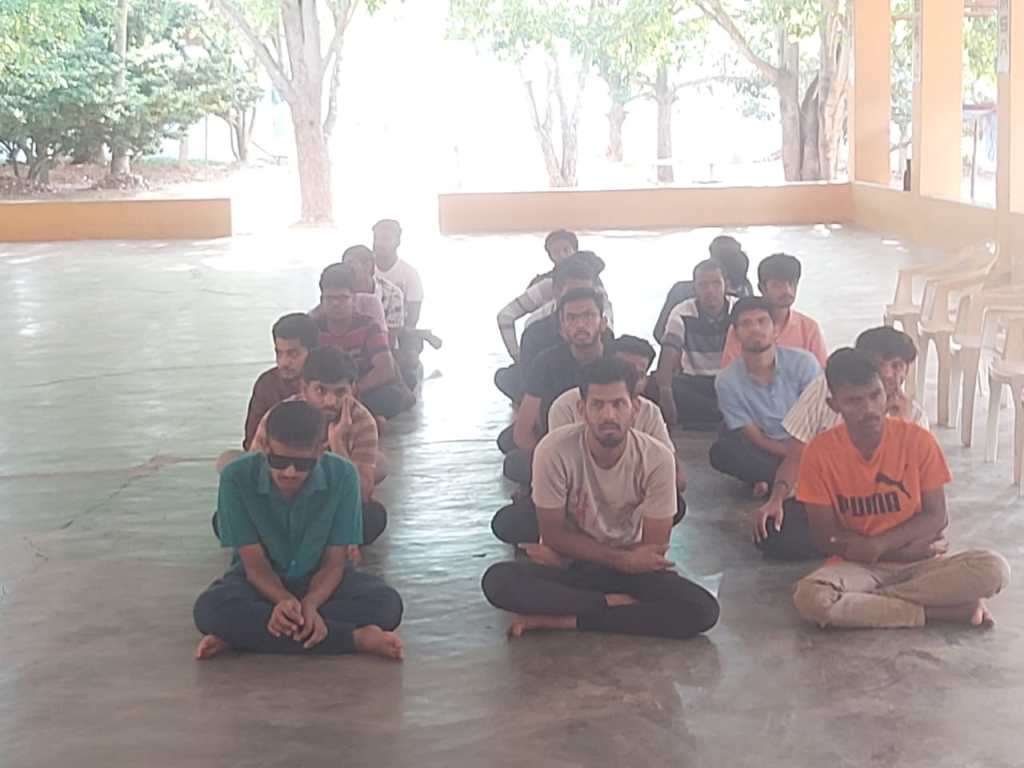
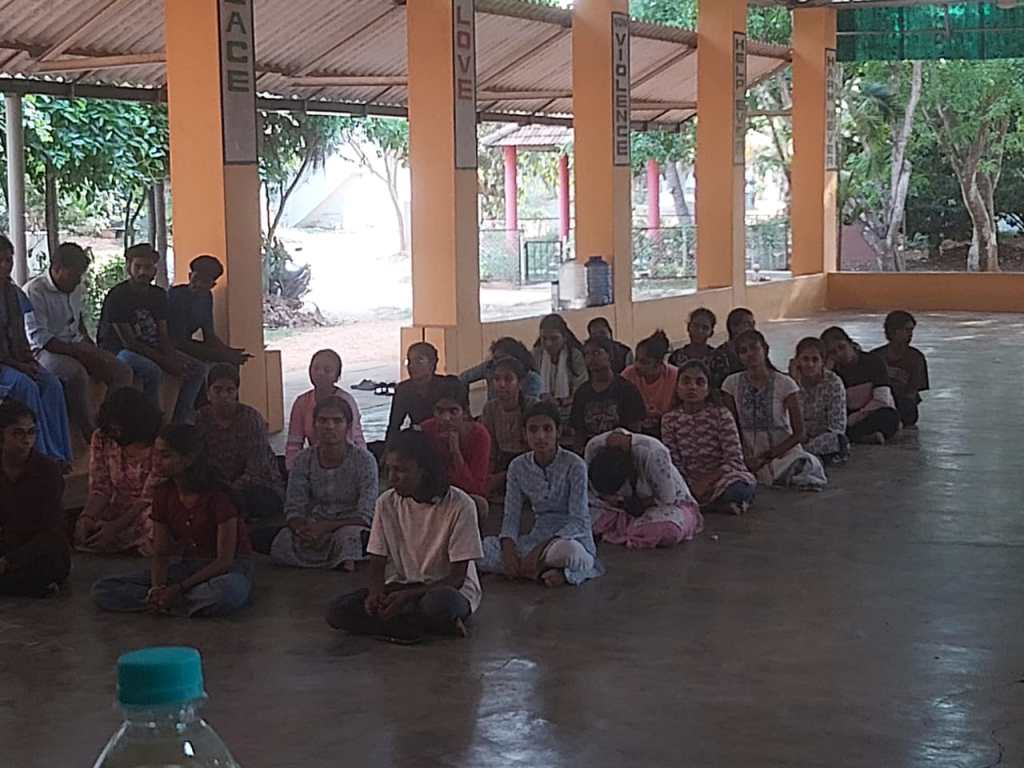
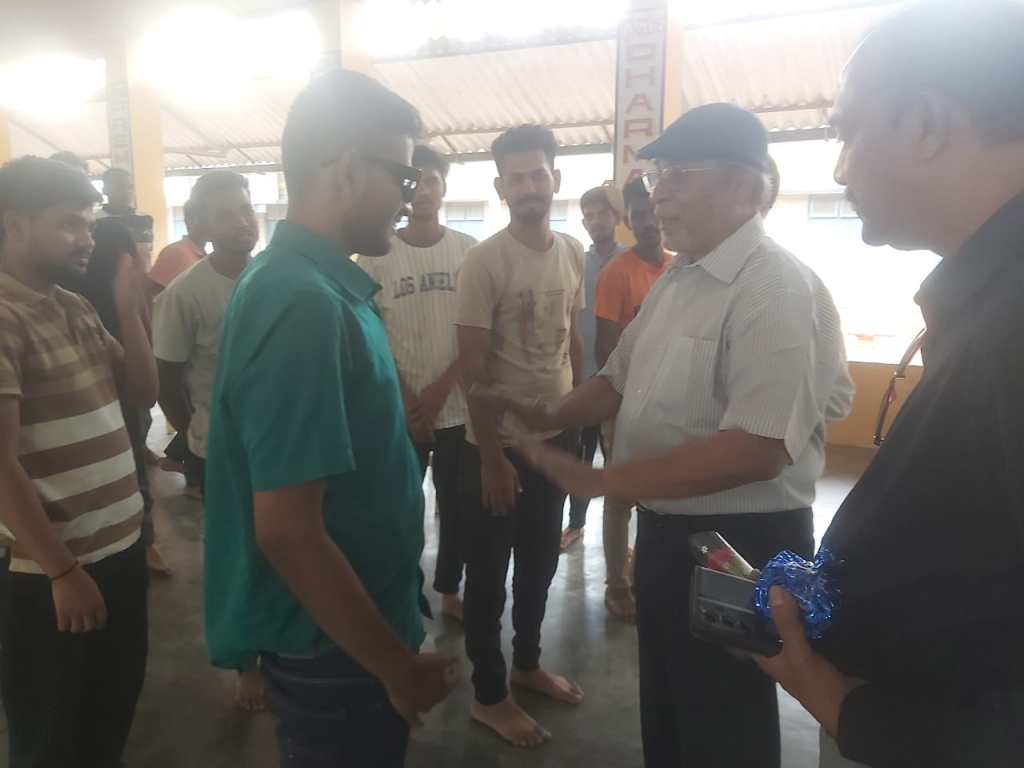
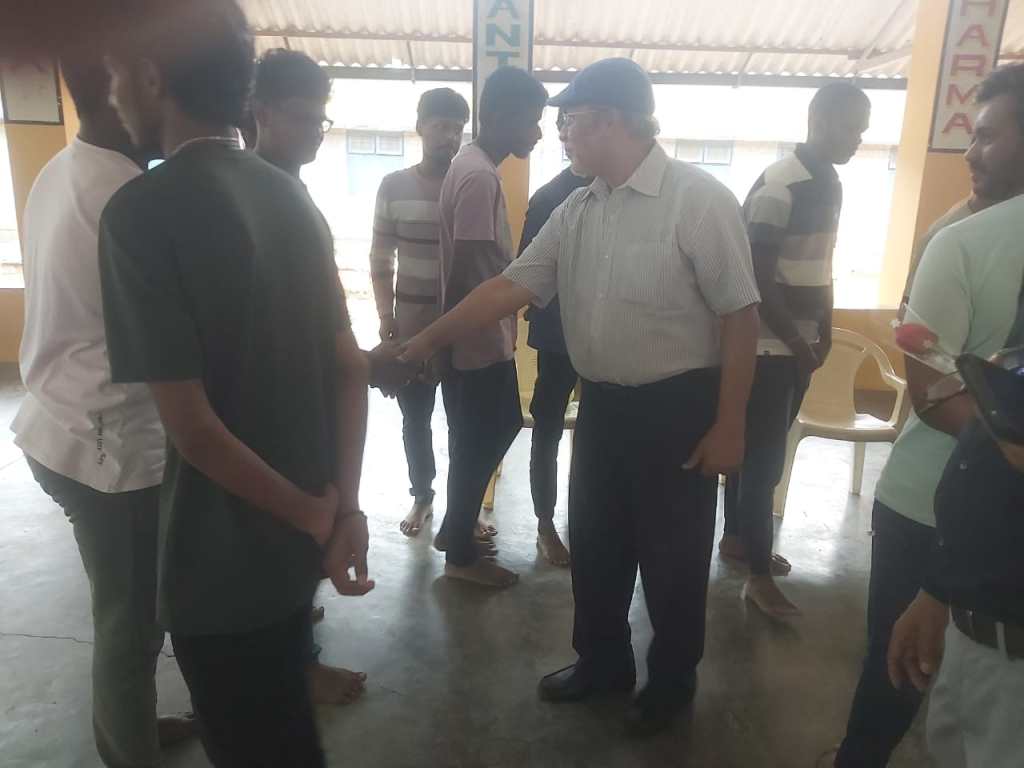
27.4.25 Today was a special day for me. I was called to speak as the Chief Guest and inaugurate the Oceanic Institute’s NSS camp. I arrived at the venue a little early. It is a 4-day camp, and volunteers have reached the venue. There was an unusual silence. Then I saw the boys and girls talking in sign language using their lips and hand movements. Yes, Most of them were special children, hearing and speech impaired. A few normal children were also among them, and they were quite comfortable with special children. The usual fun and fight, which are the gifts of youthful life, were also there. Over the years, I had developed the art of watching the youngsters without being watched. The students were in the BCom and BCA courses and had reached the People’s Trust premises. They are going to be here and will carry out some voluntary work. Before reaching the campus, I had planned to talk about Climate Change and students’ role in combating global warming. But after seeing them, I changed my mind. I wondered how I was going to communicate with them. As I started delivering my inaugural address, I saw the students looking in the direction of an interpreter who interpreted my talk. It was like a newsreader’s speech being interpreted on a TV Channel for the hearing-impaired. I changed my topic and shared with them my first experience with a hearing-impaired boy in my banking class for the Royal Bank of Scotland, and how I came to know about his love with a hearing-impaired girl in the next 3 days of the training session. I recalled how a baby does not know any language, but she reads her mom’s face and learns. I said that there are no special or normal children. We all learnt to laugh and cry in our mother’s lap as babies, looking at her face. Today, the world is split on language, colour, and creed. But you are all a wonderful creation of God. In the world, only two types of people exist. Those who love and serve Mother Earth and those who reap the fruits of Mother Earth. When I lauded their efforts, there was an applause or two. But I could not hear the sound of the claps, because they raised both their hands and waved them as an alternative to clapping. When I realized that they won’t clap, because their own clap sound will never be heard by them, I felt a heaviness in my heart. When I came down the stage to shake hands, they told me my speech was good. Yes, they talked to me by sign language, and were happy to hear me. I was ‘speechless’ and tried to thank them in sign language. End of the day, I realized one thing. I could not have communicated with them as an orator without an interpreter. On the contrary, the speaking capability, which I believed was an advantage, was a handicap, as it was not useful for communicating with the voiceless. Neither can they hear me, nor can they talk to me. So, in what way am I communicative? Till yesterday, I felt that I had no handicaps. Today, I lament that my precious possession of all five senses does not suffice as my communication skills lack the skill required to communicate with the voiceless, speechless. Interestingly, there was a visually impaired boy, and of course, I can’t imagine his world at all.

Hi Child, I wrote all the above at midnight as my sleep was interrupted. A few questions were brewing in my mind

Leave a comment

This site uses Akismet to reduce spam. Learn how your comment data is processed.