
There are differences between SHORTAGE, CRISIS and BANKRUPTCY.
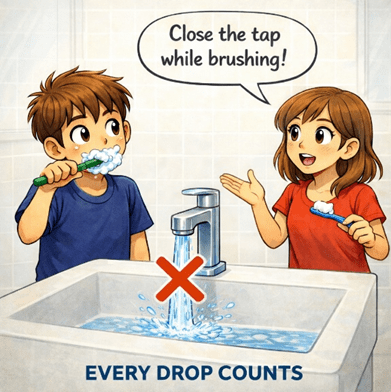
While world leaders have been discussing water scarcity and the impending water crisis, many of us have overlooked these statements and reports, considering them routine topics. Seminars and conferences frequently addressed the issue of water crisis, but there was a lack of seriousness about the potential dangers highlighted by scholars and scientists. The fact is, we do not have enough water in the world. The United Nations’ statement on “global water bankruptcy” is a strong new warning from UN researchers about the state of the world’s freshwater resources. The United Nations University Institute for Water, Environment and Health (UNU-INWEH) — a UN research body — has concluded that the world has moved beyond a temporary “water crisis” into a state of long-term global water bankruptcy. Water Bankruptcy is a new term coined by the UN and carries a deeper significance. We have moved from a period of shortage into an era of bankruptcy. The chances of recovery appear bleak. In financial, commercial, and economic terms, “bankruptcy” often suggests a potential path to salvation through mergers and acquisitions of big corporates. However, in the context of our freshwater resources, that possibility doesn’t seem to exist. Can we say that the world has entered an era of “NO RETURN”? In simpler terms, humanity has inflicted irreversible damage on our freshwater resources. Humans are consuming and polluting potable water from rivers, lakes, and wetlands. The aquifers are vanishing at an alarming rate. Now, neither rainfall nor snowmelt can replenish these water sources fast enough. The anticipated benefits of monsoons and melting glaciers are no longer sufficient to restore the water that has been consumed. With a rapidly growing population and a looming water crisis, humanity is facing dire consequences for its actions. We put forth a 5-point agenda that may be considered by man.
- Protect drinking water first — prioritise human consumption over commercial and luxury use.
- Reduce groundwater over-extraction immediately through strict regulation and community water budgeting.
- Promote drip irrigation and low-water crops to cut agricultural water use drastically.
- Make rainwater harvesting compulsory in all urban and rural buildings.
- Restore lakes, wetlands, and local water bodies to revive natural recharge systems
But if we go by UN reports based on facts and figures, the above may not make any drastic change in the waterfront, but human life depends on hope. Our existence depends on water. How we can come out of the water bankruptcy squarely rests on the world leaders’ decision
 Dr V Selvarajan