Bike Taxis, E-Rickshaws: – eco-friendly & economical

Bike taxis of Bangalore are banned! E Rickshaws of Delhi are not regulated!

From June 16, 2025, there will be a ban on e-rickshaws. It is a court decision. under Section 93 of the Motor Vehicles Act and the Rules, bike taxi services cannot operate in Bangalore unless the state Government brings out a set of regulations. Aggregators claim that they are covered under the Karnataka On-Demand Transportation Technology Aggregators Rules, 2016. But the court has directed the State Government to frame a set of regulations for bike taxis. Young drivers who relied on this part-time job to meet their daily expenses are now at a loss. There are many reasons for this decision. One argument is that the safety of the passengers is at stake. There is a hue and cry about the behaviour of bike taxi drivers. Recently, a bike taxi driver slapped a lady customer, but we learned that the lady had slapped him first, because his driving was rash. Others say that this was nothing but yielding to the pressure from other transporters like taxis and auto rickshaws.

But we are looking at a different perspective. This bike rickshaw is eco-friendly because it carries one passenger, whereas cabs also transport one, not to full capacity. For one, it adds to carbon footprints due to the wasteful fuel consumption. Secondly, it adds to Bangalore’s traffic jams. It is neither eco-friendly nor economical. One advantage of bikes is that they provide last-mile connectivity. It is safer for riders, especially women, since they commute in open space. Similarly, e-rickshaws are battery-operated and considered eco-friendly. They are economic too. Transportation evolved from horses, camels & elephants, bullock carts, tongas, chariots, and even hand-pulled rickshaws followed by cycles and cycle rickshaws. Diesel engines replaced steam engines. Petrol, aero-fuel, and CNGs are evolved later. Now we are inching towards battery-run automobiles. Solar vehicles are also being tested. As and when technology evolves, the policy makers need to look at the sustainable alternatives. FASTER, CHEAPER and BETTER are the 3 important watchwords that need to be considered in choosing the acceptable mode of commuting. Especially as the cities are expanding dramatically, the word BETTER assumes importance. It means safety, feasibility, last mile connectivity and sustainability. Hope that Government considers all these aspects and put in place a regulated transport mechanism
Stampede massacres, footboard butcheries, road accidents

Are they all due to officials’ negligence, public callousness, political empathy, or a surge in population?

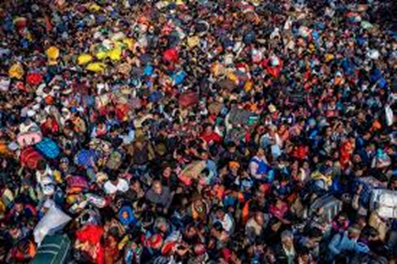
Why did the Bangalore RCB stampede in the Chinnaswamy stadium on June 5, 2025, result in at least 11 deaths and 33 injuries? A stampede at New Delhi Railway Station on the night of February 15, 2025, resulted in at least 18 fatalities and 15 injuries. 30 people died and 60 were injured in a stampede at the Maha Kumbh Mela in Prayagraj on January 29, 2025.  During the Pushpa 2, one woman died when she came to see Allu Arjun on December 4, 2024. The reason for the recent Mumbai train deaths is attributed to overcrowding, which made passengers clinging to the door fall onto the railway line and be run over by a train from the opposite direction. Why did the Kumbh Mela deaths happen?  At least 82 people were killed in four incidents of stampede at Maha Kumbh in Uttar Pradesh’s Prayagraj on January 29, against the State government’s official claim of 37 deaths, a report by BBC News Hindi claimed.

After any mishap, many doubts arise in our minds!  We need to apply our minds to understand and avert future occurrences of similar incidents.  We should develop a similarity to all these incidents. One common reason is the bungling, callousness, and lack of far-sightedness of the people at the helm of affairs. Crowd management is a tricky proposition. In a wedding ceremony, if 300 people are expected, but 1000 turn up, arranging food is a challenge. If we arrange food for 300 while only 100 turn up, it is food waste. It is a catch-22 situation. Overcrowding is not an isolated problem for any city. Such stampede incidents are increasing nowadays. Airports look crowded bus stations, and incidents of verbal fights between staff and passengers are reported. Airlines started advising passengers to report 4 hours in advance to avoid congestion. As the workload increases multifold, the administrative staff find it stressful to work. So, who is to blame, the Government, people, bureaucrats, workers, or infrastructure? This blame game will serve no purpose. India should plan a holistic approach to all crowd-related issues. We have seen two such occasions in general. Firstly, such unpredictable stampedes occur during religious or sports gatherings due to a sudden influx. The second one is routine and happens in bus stands and railway stations, where people violate the rules to reach their destination on time. While the permission in the first instance, which is unpredictable, should be on a selective basis, the second one must be managed professionally by deploying a better workforce and risk management tools, as it is somewhat predictable. The main reason behind the recent stampedes, due to overcrowding, is India’s unabated population growth. India’s major problem is our rapid population growth. We have surpassed China’s population figure. Our population is 143.81 crores (as of 2023). Now this must be still more. In the last century, we had fewer instances, while challenges are more prevalent at present. On July 11, every year, the whole world pledges to control population growth, but unfortunately, life goes on as usual. The ensuing period will be more challenging!

10000 strong human chain to arrest waste burning!

A human chain that vows to handcuff the proponents of a lethal biogas plant in the North Chennai residential area!

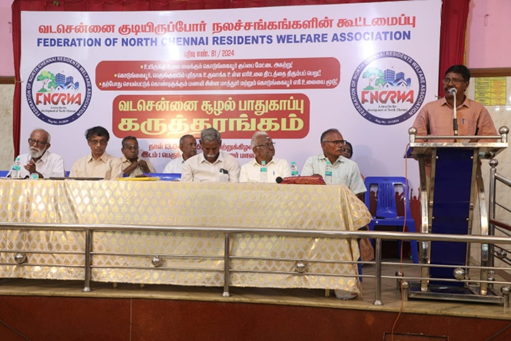
In the South Express issue of April 26, 2025, we reported the unhappiness of the residents against the Greater Chennai Corporation’s (GCC) waste-to-energy (WTE) project at Kodungaiyur in crowded North Chennai in our editorial. We also highlighted that the residents came together under the Federation of North Chennai Resident Welfare Associations on April 13, 2025, to protest against the GCC’s WTE component of the integrated waste management facility (IWMF), planned for Kodungaiyur in North Chennai, on a 75-acre Metro water land near the existing dump yard. The trigger for the people’s unrest was the recent signing of an agreement to burn 1400 tons of non-biodegradable waste generated in a day. The project involving Rs 1026 Cr was to be implemented in 25 years under a Public-Private partnership. The Federation passed a resolution to stage a massive human chain on 25th May, 2025. There was no positive response from the Corporation.

As planned, the 4 km long human chain started from Kodungaiyur and ended at Vyasarbadi Ambedkar College. One who knows the intricacies of event management for such non-political, non-governmental movements will agree that it is not an easy task to bring together 10,000 people in a single line to form a mammoth human chain. The fact that 10,000 gathered to form the chain speaks to people’s commitment to stopping the massive waste burning. People who joined the signature campaign and human chain demonstration are mostly from a marginalised community in the thickly populated North Chennai Corporation area, who always felt that they were the most neglected lot. Understandably, landfills and pollution had already taken a heavy toll on their health and lives in the last 3 decades. The proposed waste burning project will only add to the misery of their lives. The President of the Federation, T.K. Shanmugam, asserts in a press release that they do not advocate any alternative model for the incinerator but reject the very burning of waste. One can feel the pain in his voice, and it is not just his voice but that of millions of residents around. Why don’t they relocate the project near the Secretariat, if it is not going to be harmful, asks Shanmugam. Federation demands the scrapping of the project. They want the Government to expedite the retrieval of the 352 acres of landfill area by biomining and establish a mega library, an international auditorium, a medical college cum hospital, an indoor stadium and a biodiversity park. Demanding an exclusive environment policy for North Chennai, the Federation pins its hopes on a positive response from the Tamil Nadu State Government and North Chennai Corporation. Pure water and clean air are often a distant dream, especially for the marginalised community. Only time will tell whether their hopes will come true!

Nature’s journey from the Jurassic to the AI era

Which nature do you want to save, … the man-made one you see today, or the original one? ‘This question from the audience shattered me,’ said my friend Prof Rajesh Gopinath, an environmentalist who was part of a panel discussion. Getting back to normalcy, he replied, ‘Choice is yours, but Mother Nature will not wait for you to save her.’ ‘It was indeed a good reply.’ I told Rajesh, but in a way, he had provoked my thoughts. I asked Rajesh, ‘What is ‘man-made nature? What did that participant want to know?’ Because if man creates nature, it is unnatural and not natural. So, for me, it appears that man-made nature is one that evolved due to the exploitation of natural resources. It is the human-nature interface that has changed the very definition of what was once natural. What our forefathers saw on planet Earth is not what we are seeing today. On the one hand, it was due to natural evolution over millions of years, and on the other, the man-made destruction in the last few decades.

Could we recreate an environment where dinosaurs were freely moving on the planet? Science has relied on certain assumptions based on material evidence and theories constructed thereon. We can only simulate that Mother Nature was like this during the Jurassic era, or perhaps see the movie Jurassic Park again to relive the bygone era. Nature has undergone changes that are beyond human conception. Those who lived in the 20th century during their early years and are still living in the 21st century, like me, may perhaps speak and recollect the school days when, on holidays, we visited the nearby villages, spent time on farms, and enjoyed swimming in the small rivulets. Where are those rivulets now? Right under our noses, we miss the sparrows to a large extent. Many bird and animal species have become extinct. The smell of soil when it rains and the frequent rainbows, lightning, and thunder are now rarities.

Precisely, today’s nature is not what people like me experienced during their youth. Within 50 years, I can confidently tell that the present-day environment is not the same as the one that prevailed in the 1960s and 70s. Anthropological changes have impacted nature. The pre-industrialisation era was far better than what it is now. Rightly, the Paris Convention decided to reverse the damage that human beings had made to the environment, choosing the pre-industrialisation global mean temperature as a benchmark.  It is understandable because we cannot return to an endless past, and we need a zero point to go forward. Global warming and climate change are major concerns today. We continuously debate how to reduce carbon footprints. Sustainable Development Goals (SDGs) are now deadlines that institutions struggle to meet within the given time frame set by their duty-bound bosses, least realising that the environment can never be saved in air-conditioned halls. Only a few like Rajesh take it seriously and wish to contribute their part to nature. Let nature be natural, and humans, who live for a short while, must not tamper with it (Representative picture from the internet)

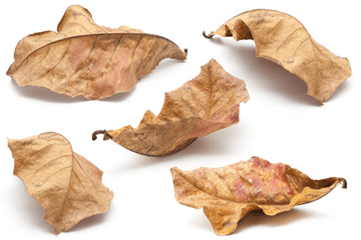
Fallen dry leaves – menace or manure?

Dry leaves are a menace! We are fed up with them when the trees shed their leaves during dry periods!

It is quite strange to see many getting disturbed about the dry leaves. More often, we find people burning the fallen leaves because they do not know what to do with them.  Of course, the ‘easiest’ way to dispose of waste, garbage, and plastic items seems to be burning. Burning releases the carbon trapped in dry leaves, emitting harmful gases and even worse particulate matter.  In India, there are generally two dry seasons during which leaves are shed, namely, just before the monsoon and summer. The most common of these are Neem, Populus, Maple tree, and Peach. Leaves reappear with the arrival of the spring season. This process of shedding leaves is called as abscission or leaf fall.

The trees that shed leaves are called deciduous trees. Before shedding, leaves change colour from green to yellow or red/brown and finally fall. Such fallen leaves are a valuable resource for gardening and landscaping. Dry leaves are a type of organic matter that is high in carbon and low in nitrogen. They are often dry, brittle, and may retain their original structure. Used as mulch, they can retain soil moisture, insulate plants from cold, and suppress weeds.  Dry leaves may become compost and contribute to soil health by providing a natural fertilizer. Additionally, they can be used in craft projects and even as insulation for garden sheds. A healthy soil consists of humus, the organic component of soil, primarily composed of decayed plant and animal matter. It includes carbon, nitrogen, and other elements like phosphorus and sulfur. 

The best way of managing dry leaves is to leave them where they fell. Perhaps some may be skeptical when I say this. But consider this. There are vast areas of forests where, every season, trees shed leaves, but no one is concerned about that. What happens to these leaves? They decay, decompose, and become the organic component of the soil, namely humus. This enables new trees to get manure from decomposed animal and plant matter. Soil that consists of sand particles only has no nutritional value except that it holds the roots. It is the organic matter that further gets converted into nutrients, such as nitrogen (N), phosphorus (P), and potassium (K), as well as organic compounds and essential elements necessary for plant growth. If someone still wants to treat the dry leaves, they can try composting or using them as mulch. Composting helps improve soil, while mulching provides moisture retention and weed control. In the 90s, I used to trek into the dense evergreen forests (Sholas) of Kodaikanal, which are known for their spongy floor. The floor may hold fallen leaves that could be dated a few thousand years. The leaves mix with rainwater to serve as a blotting paper, giving a cushioning effect while walking. If one experiments digging to trace the rock bottom, it may be about one or two meters deep sometimes. These are all the sources of fertility of the soil. Dry leaves and dead animals are great contributors to soil fertility. They are not a menace. Nature has appointed them to do so. We should not create a barren land, but leave the dry leaves as such.

Environment, the biggest war victim!

Tit for tat, eye for eye… such emotional outbursts are quite common when it comes to war! The common man thinks the solution to all terrorist activities must be responded to on the same scale. Especially those who were affected by a bomb blast, a terror activity, or an unprovoked attack will feel so, and it is but natural. However, the cost of such attacks cannot be compensated by either money or revengeful retaliations. True that such heinous crimes will end in a large-scale disaster if not arrested in time. However, history has shown that the war is not a permanent solution. When the missiles and drones pitch fire on undisclosed targets, it is beyond doubt that there will be huge collateral damage besides the targeted spot. Tracing the flesh and blood of human bodies and animals amidst the rubble is pathetic. Leave alone the valuables that get destroyed in the attacks. We are daily hearing stories of one or other attack on the Gaza Strip or the Russo-Ukrainian War.

Thousands of multi-story buildings, passenger vehicles, and other properties are being reduced to rubble, rubbish, and ruins. Economic loss apart, we have witnessed the drastic destruction of the environment. War and armed conflict significantly degrade the environment through various means, including direct destruction of ecosystems, pollution from military activities, and the exploitation of natural resources. These impacts can lead to long-lasting consequences like food and water insecurity, biodiversity loss, and the displacement of populations. Construction of military bases may destroy forests, wetlands, and other natural habitats, leading to habitat loss and biodiversity decline. The chemical weapons may affect water sources, soils, and air with hazardous substances. Flora and fauna will be destroyed, leading to a loss of biodiversity. Innocent civilians may be displaced. The overuse of fossil fuels by military aircraft will emit greenhouse gases. The military attacks mostly target fuel tanks and stations, which speed up the shrinking of fossil fuel stocks. When emotions flare up, there will be an excitement in favour of war. Politicians take mileage out of such mass psychology. Graphics in news media channels showed jaguars, missiles, and drones flying crisscross the TV screen, giving a feel of seeing war pictures of a possible 3rd World War. Any such act might result in the escalation of the war situation and the ultimate decimation of the precious natural resources. Besides innocent lives, the ultimate victim would be the environment. We should not forget that a 3rd World War would make the planet Earth a barren land (Picture courtesy: a representative picture from the Internet)

Trees don’t come free!

Published on 10.5.25 in South Express

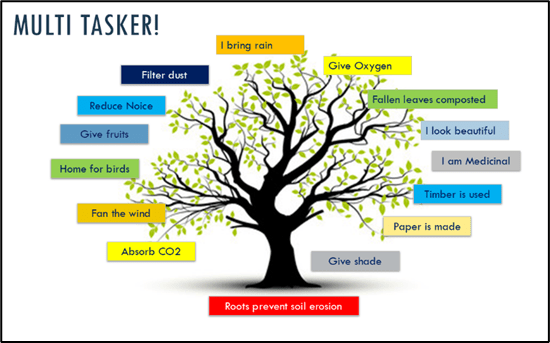
Why are trees always targeted? Are there no alternatives for trees? Can’t we produce more oxygen in the lab?

Such questions repeatedly surface among students. Why are trees treated as priceless? Is it true that we can’t estimate the worth of a tree? Long ago, a research study computed the value of a grown-up tree as Rs 1 Crore. In January 2020, then Chief Justice S.A. Bobde instructed a committee of experts to evaluate the loss of trees to the environment. The panel estimated the economic value of a tree as Rs 74500 multiplied by its age. In other words, a 100-year-old tree will be worth Rs 74,50000. Heritage trees with a lifespan of over 100 years could be valued at more than Rs 1 crore. By adding the costs of micronutrients and compost, living trees will more often than not outweigh the benefit of most of the projects they are felled for, as per the committee’s report. Unfortunately, when calculating the cost-benefit analysis of an infrastructure project, the authorities never speak about the environmental costs of felling trees for the project. Project reports make a passing remark, that’s all. Sometimes the reports suggest transplantation of well-grown trees, but do not discuss the feasibility of transplantation and maintenance. In Bangalore, the Metro rail construction had initiated compensatory plantation. But there is no provision for a reality check about the number of trees removed or the number of trees compensated. Even if ten saplings are planted for felling one tree, where is the real compensation for the environmental degradation meted out to the spot where the felled tree existed?   Moreover, ten new and young saplings cannot compensate the loss due to the felling of a 50-year-old tree in terms of the economic values as mentioned above.

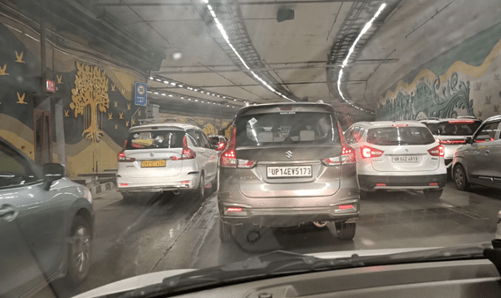
While everyone knows the environmental value of a tree, it is painful to note that all over India, whether it is Hyderabad, Bangalore, Delhi, or Uttarakhand, massive tree felling has become the order of the day, in the name of a new infrastructure project. Nowadays, wherever new projects are proposed, the contractors erect huge compound walls that hide the happenings behind the walls. After erecting walls, whether tunneling, felling trees, or destroying a water body, becomes easier. Recently, a small forest stretch near Dwarka, adjacent to the International Airport, vanished overnight. Tree felling happens at midnight when the world sleeps, using chainsaws within a fraction of a minute. The old timers cannot forget the once beautiful PUSA road in West Delhi before the erection of metro pillars. Those born after 2000 may not even imagine that the road was once a boulevard. We do not preach against development, but the planners of development conveniently forget the economic value of trees and blame climate change when the weather is getting hotter. Bangalore, the once garden city is now a concrete jungle!

The tunnel that jerks our hearts!

Sign language

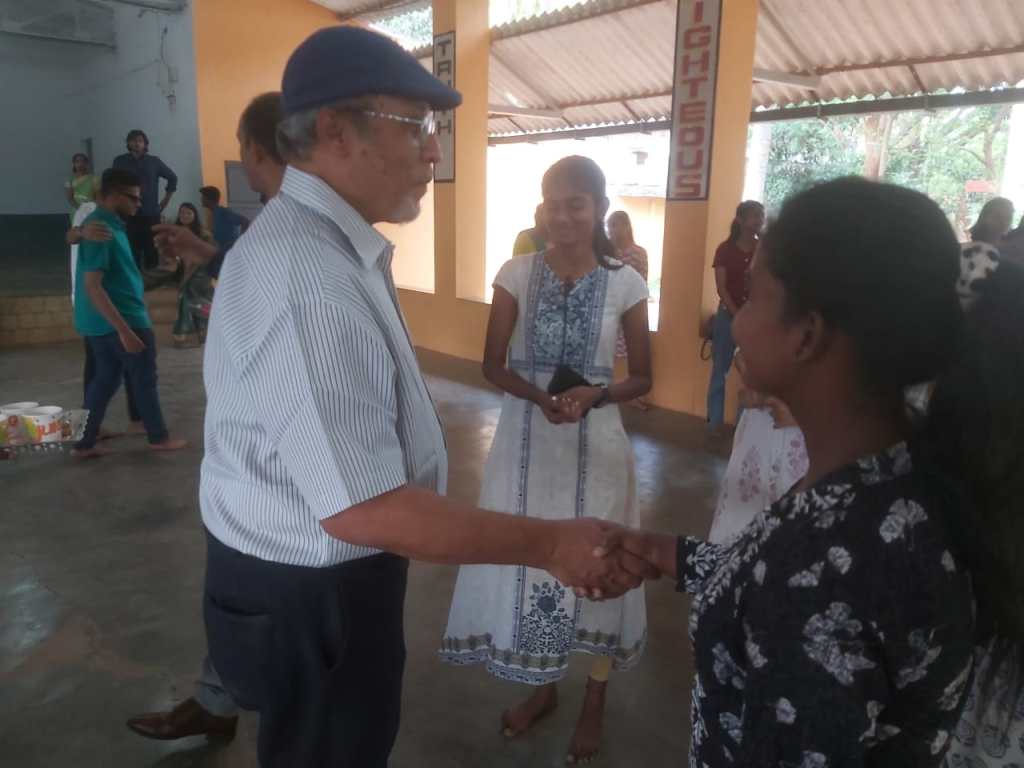
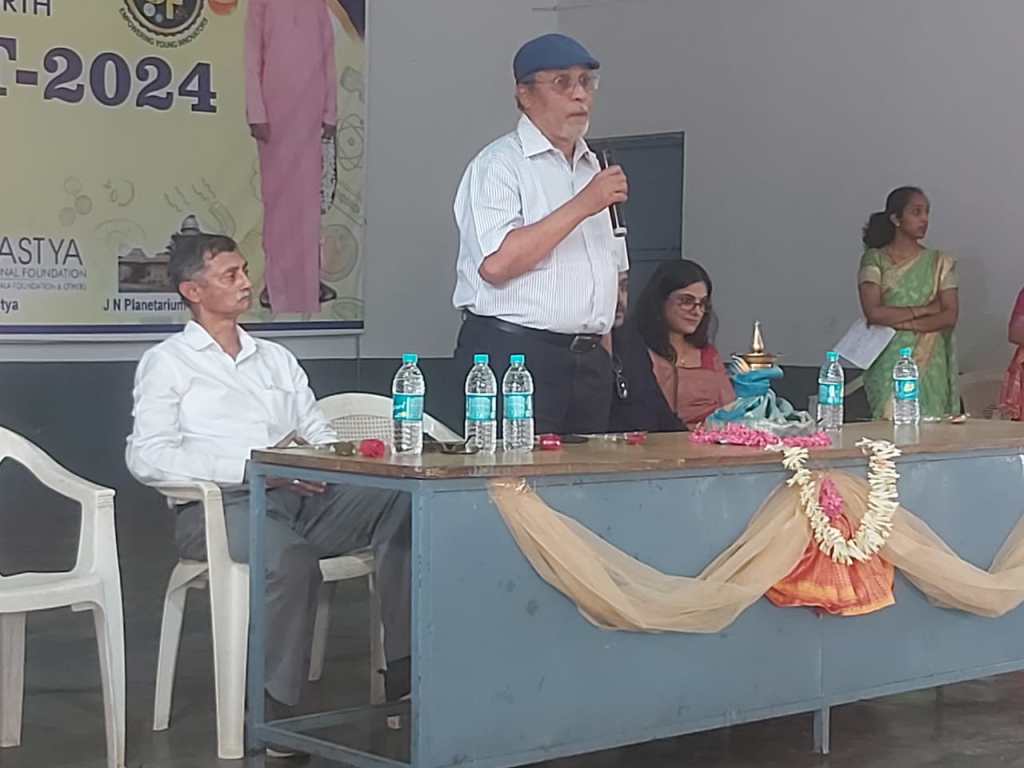
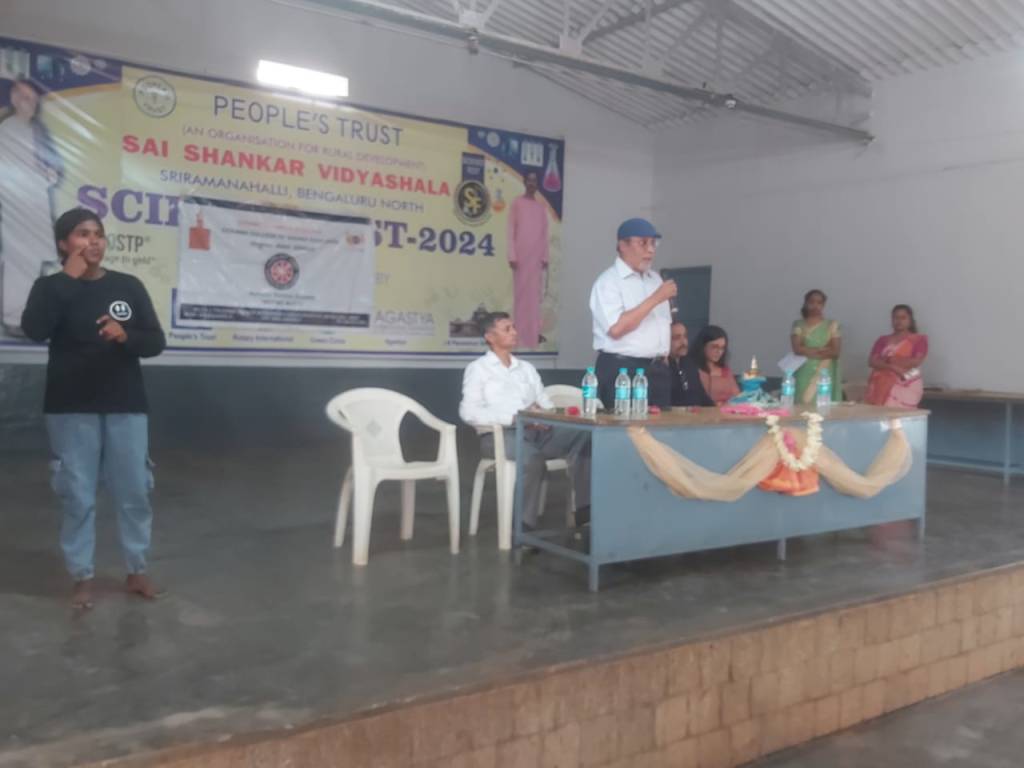
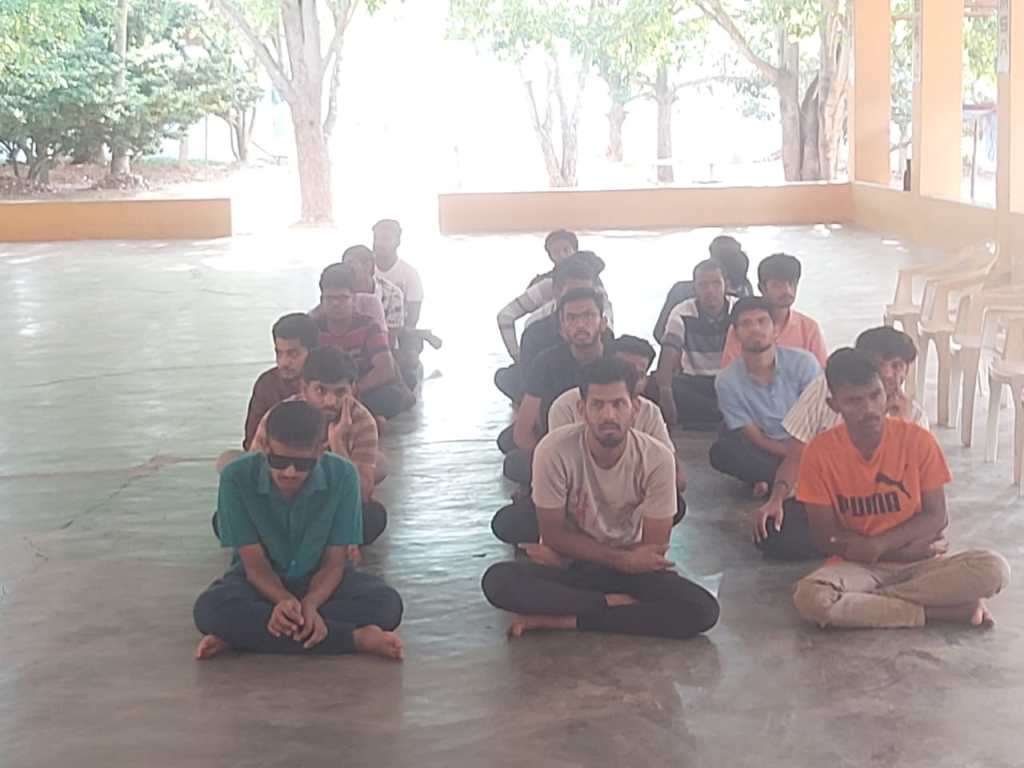
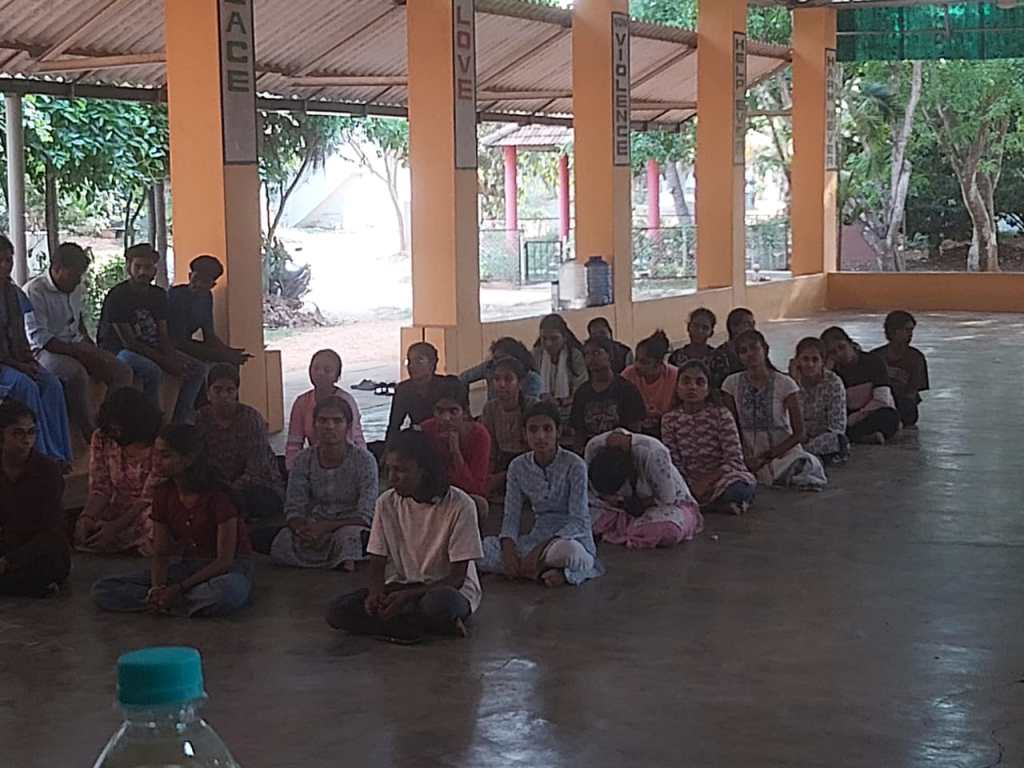
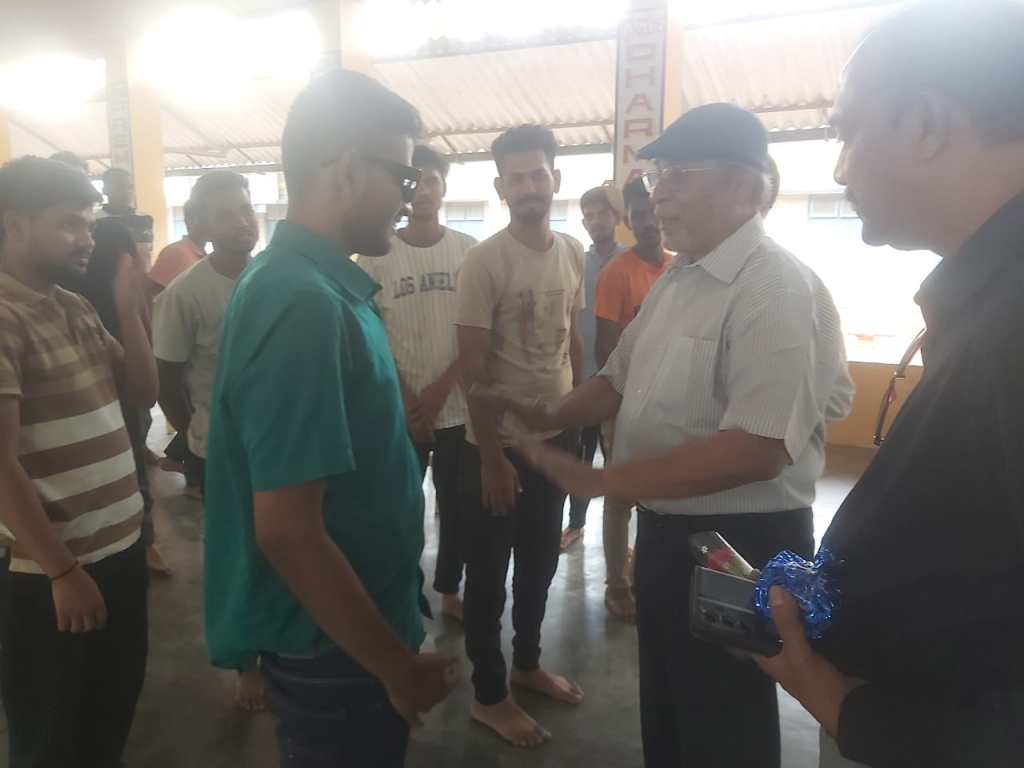
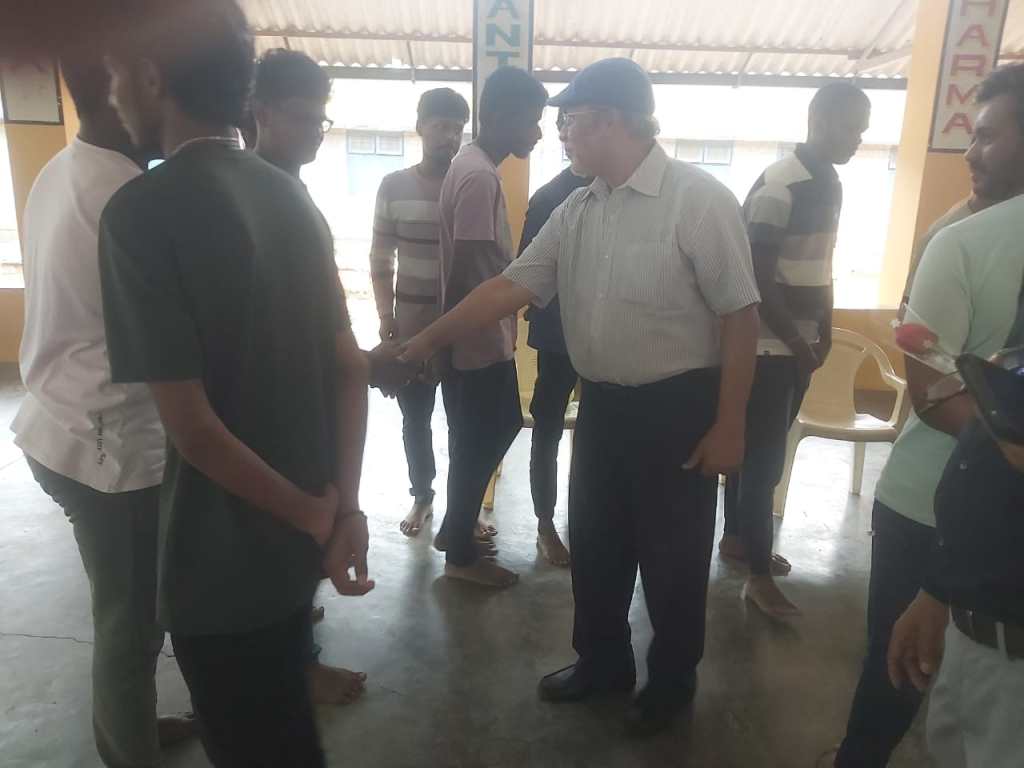
27.4.25 Today was a special day for me. I was called to speak as the Chief Guest and inaugurate the Oceanic Institute’s NSS camp. I arrived at the venue a little early. It is a 4-day camp, and volunteers have reached the venue. There was an unusual silence. Then I saw the boys and girls talking in sign language using their lips and hand movements. Yes, Most of them were special children, hearing and speech impaired. A few normal children were also among them, and they were quite comfortable with special children. The usual fun and fight, which are the gifts of youthful life, were also there. Over the years, I had developed the art of watching the youngsters without being watched. The students were in the BCom and BCA courses and had reached the People’s Trust premises. They are going to be here and will carry out some voluntary work. Before reaching the campus, I had planned to talk about Climate Change and students’ role in combating global warming. But after seeing them, I changed my mind. I wondered how I was going to communicate with them. As I started delivering my inaugural address, I saw the students looking in the direction of an interpreter who interpreted my talk. It was like a newsreader’s speech being interpreted on a TV Channel for the hearing-impaired. I changed my topic and shared with them my first experience with a hearing-impaired boy in my banking class for the Royal Bank of Scotland, and how I came to know about his love with a hearing-impaired girl in the next 3 days of the training session. I recalled how a baby does not know any language, but she reads her mom’s face and learns. I said that there are no special or normal children. We all learnt to laugh and cry in our mother’s lap as babies, looking at her face. Today, the world is split on language, colour, and creed. But you are all a wonderful creation of God. In the world, only two types of people exist. Those who love and serve Mother Earth and those who reap the fruits of Mother Earth. When I lauded their efforts, there was an applause or two. But I could not hear the sound of the claps, because they raised both their hands and waved them as an alternative to clapping. When I realized that they won’t clap, because their own clap sound will never be heard by them, I felt a heaviness in my heart. When I came down the stage to shake hands, they told me my speech was good. Yes, they talked to me by sign language, and were happy to hear me. I was ‘speechless’ and tried to thank them in sign language. End of the day, I realized one thing. I could not have communicated with them as an orator without an interpreter. On the contrary, the speaking capability, which I believed was an advantage, was a handicap, as it was not useful for communicating with the voiceless. Neither can they hear me, nor can they talk to me. So, in what way am I communicative? Till yesterday, I felt that I had no handicaps. Today, I lament that my precious possession of all five senses does not suffice as my communication skills lack the skill required to communicate with the voiceless, speechless. Interestingly, there was a visually impaired boy, and of course, I can’t imagine his world at all.

Hi Child, I wrote all the above at midnight as my sleep was interrupted. A few questions were brewing in my mind

Leave a comment

This site uses Akismet to reduce spam. Learn how your comment data is processed.

North Chennai residents fume over waste burning!

There cannot be smoke without fire! True, when people are boiling, something is brewing. Let us see the background. The Greater Chennai Corporation (GCC) has contemplated a waste-to-energy (WTE) project at Kodungaiyur in crowded North Chennai. The Corporation has signed a Letter of Acceptance (LOA) with a company called ‘Resustainability for burning 1400 tons of non-biodegradable waste generated per day at a project cost of Rs 1026 Crores. The project will be implemented in 25 years under a Public Private partnership (PPP). For all this, the expected electricity generation is a meagre 21 megawatts, though the company claims to have cutting-edge Chinese technology! It reminds us of the famous idiom penny-wise, pound-foolish. Electricity production or garbage treatment, which is the key objective of this project? Apprehensions soared as the technology, according to people, will throw toxic pollutants into the air and water. For about 40 years, the residents have voiced their health concerns about the Kodungaiyur landfill in North Chennai. In a massive show of strength, the residents came together under the Federation of North Chennai Resident Welfare Associations on 13.4.25 to fight against the move. Going by the reports and records, it is evident that the residents won’t budge. The meeting resolved to hold a massive human chain protest on May 25. As usual, the authorities claim that environment clearance has been obtained from CPCB and TNPCB.

Though the company claims that the process is a ‘cutting-edge’ technology and non-polluting, when we burn the mixed waste, it is common sense that the smoke will carry pollutants, effluents will pour ash, and other chemicals. As of now, we have no clarity on this matter. There are two more points to note. One is burning the mixed waste accumulated at Kodungaiyur for 3 to 4 decades, and the other is about what to do with future dumping. People demand relocation of the dumping site to a remote place, but will that be a solution?  In Kodungaiyur, lots of cancer and other lung diseases have since been reported. It is a thickly populated area with about 38000 people per square km. Most of them are from the poor and middle classes. Under the circumstances, the best solution is to shift the landfill to a remote location far away from any human habitat and forests. Mixed waste should not be allowed in the existing landfills. Efforts must be made to replicate the Biomining project in South Chennai. The municipal corporation must enforce segregation at source as stated in the Solid Waste Management Rules 2016. Green and wet waste must be composted. Non-biodegradable waste has to be sorted, recycled, reused, and reduced.  Since the volume of waste generated is enormous in cities like Chennai and Bangalore, the Government needs to engage the services of experts and handle waste management scientifically and professionally. In a democracy, the voice of the people is the ultimate. The way residents stand up together in North Chennai is a classic example of how genuine concerns should work, and bring change

When I become One-day Judge!

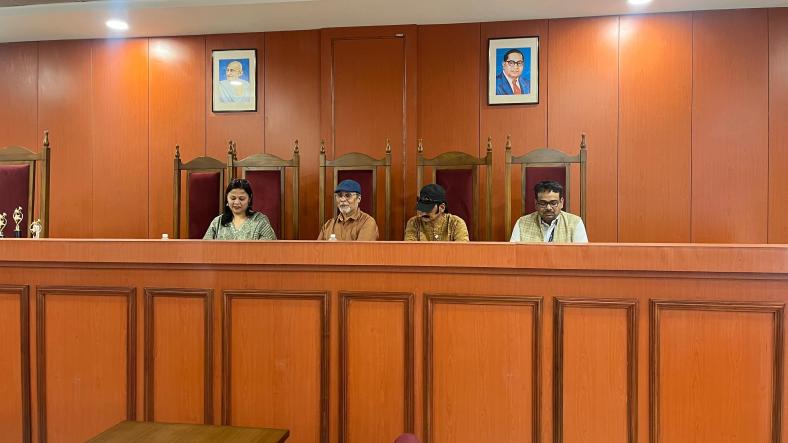
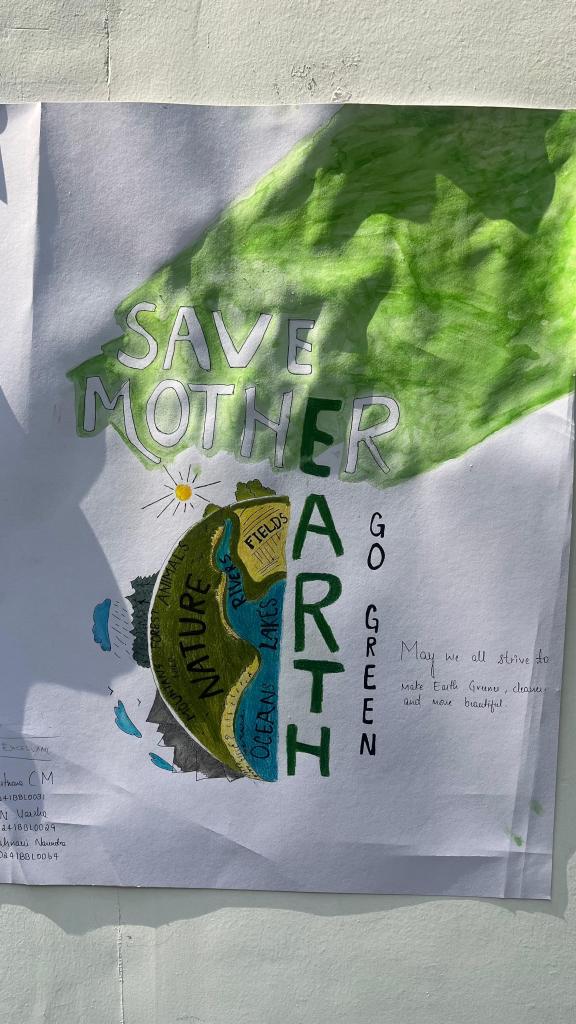
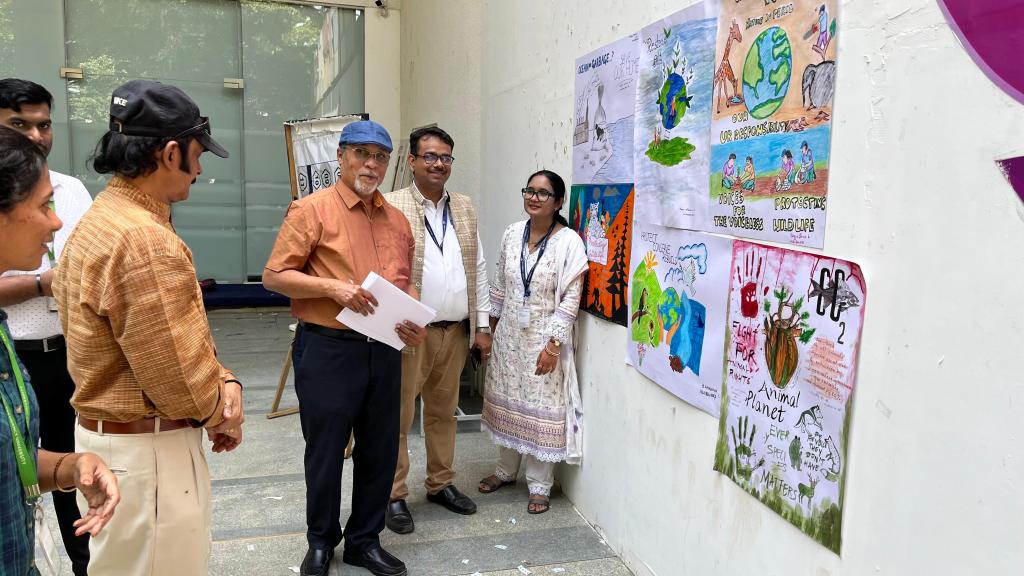
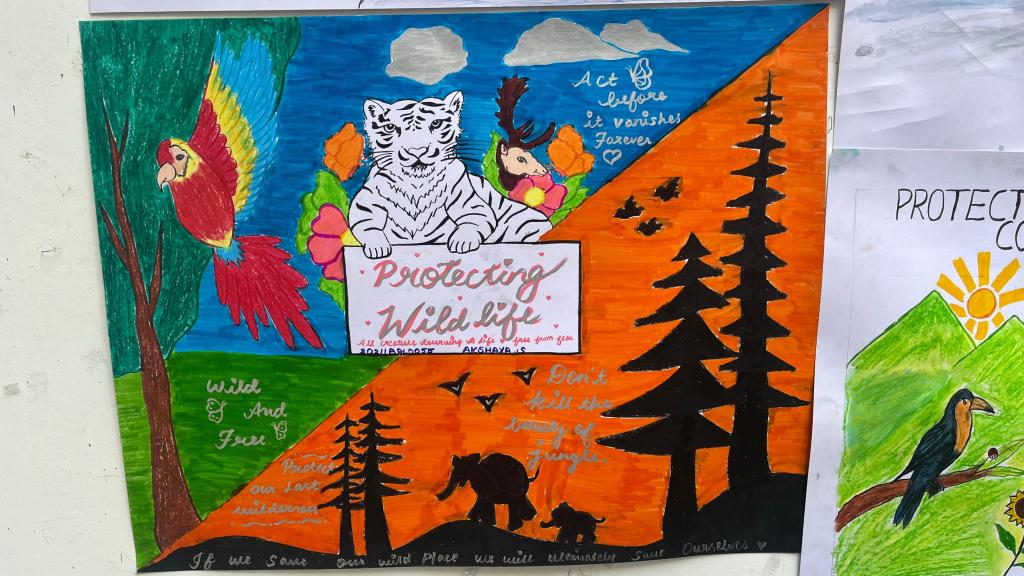
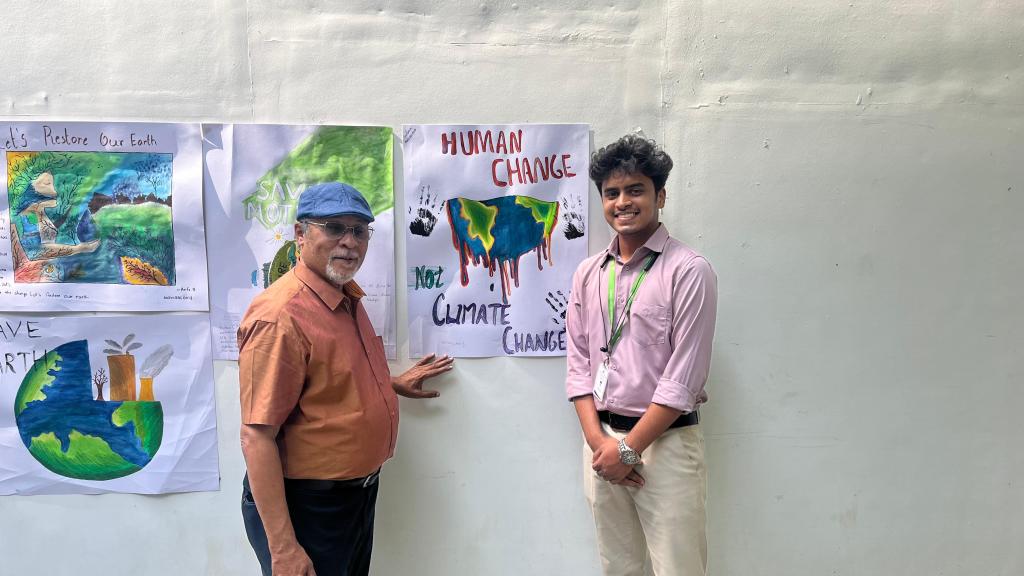
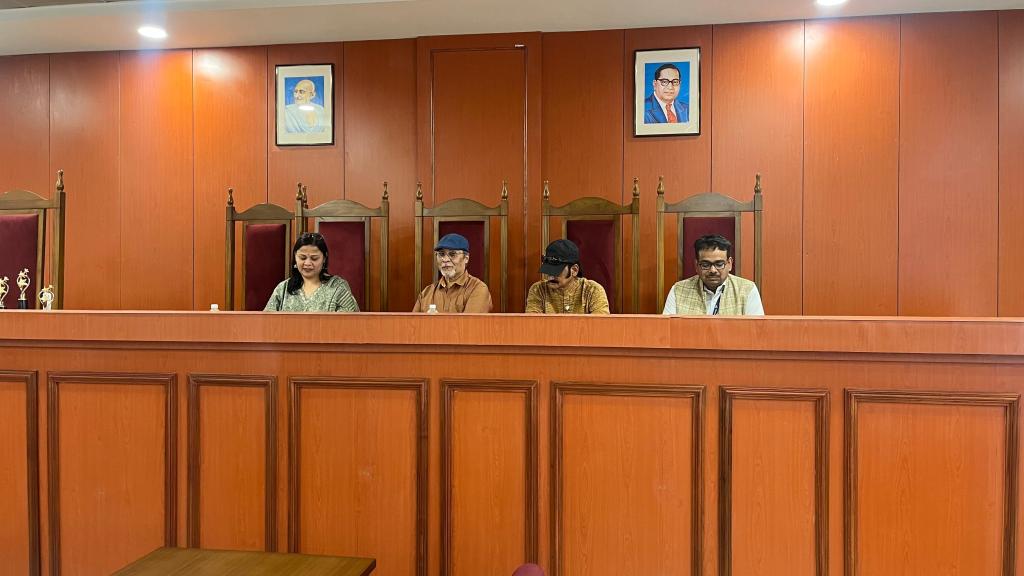
I had an interesting occasion. I had to act as a member of the Jury in the School of Law, Presidency University. It was Earth Day (22.4.25) and the occasion was a poster-making competition on environment theme. I judged all the entries and handed the results to the coordinators. They took me to a conference hall. They wanted me to deliver a talk. Entering the hall, I realized that it was a moot court. I enjoyed the occasion of course. Some of the visuals are given below

Sattal Hide Birding is banned!

Interesting! Birders cannot click photos from hides anymore in Nainital. Is it good or bad?

There are two types of bird lovers: those who are interested in watching birds and those who are interested in capturing birds through their lens. Both are right in their way. At Sattal in Nainital district, both are quite common. There is an area called ‘Studio area’ that is adjacent to the lake. This is a hotspot, as mentioned in eBird India, a global portal, with more than 260 species of birds recorded here. At this place, bird photographers find ample opportunities to photograph birds close in their natural settings.  Sattal gives ample opportunities to watch colourful birds. One way is to walk around and look for rare birds. Or, if someone is interested, he may hire a bird hide. Many private agencies provided the facility. In both cases, the local guides assist photographers in identifying the bird species.

The Forest Department has recently banned hide photography and started taking action under the Wildlife (Protection) Act 1972. While bird hide photography itself isn’t outright banned in Uttarakhand, using playbacks to lure birds for photography is considered illegal under the Wildlife Protection Act, as it constitutes baiting. Complaints about feeding birds with meat entrails were also coming up. These were the reasons why the forest department was tightening its belts. Sattal is home to about 400 bird species, which means about one-third of India’s bird species are found there. I used to try all methods in Sattal, such as visits to birding hotspots, casual bird walks, hide photography, and tracing targeted birds. Bird-watching is exciting and enriching. But I never agree with disturbing wildlife or teasing them. While hide photography per se is not a criminal act, though feeding the birds for photography1 is not in good taste. More so, when they are fed meat, it is an obnoxious act for commercial purposes.

I have seen a few guides who used playback recorders and mimicked the voice using birding apps. But apps like Merlin by Cornell Lab, i-Naturalist, and eBird are useful tools for guiding bird researchers.  However, Sattal guides are not that bad. Barring a few commercial people, many are leading normal lives. Like Bharatpur or Sultanpur National Parks, the bird guides do not lead great lives. Birding is a seasonal activity in many birding spots. The guides are involved in farming or other traditional activities during the off-season. I met a birding guide who runs a Tea shop near Bharatpur National Park. He had excellent knowledge about birds and their behaviour.  To streamline the birding trails, the guides must be certified by the forest department to provide genuine guidance. They must be taught the dos and don’ts, and make the guiding profession more eco-friendly

  1. A blue throated barbet is feeding on a papaya kept by hide manager ↩︎