
Bike taxis of Bangalore are banned! E Rickshaws of Delhi are not regulated!
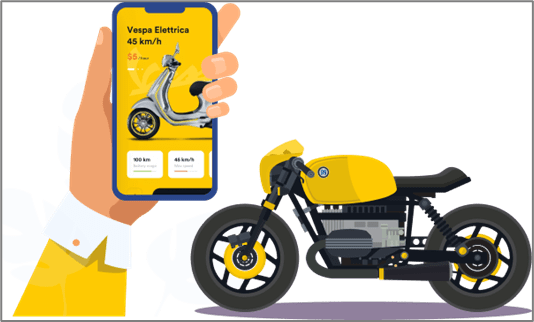
From June 16, 2025, there will be a ban on e-rickshaws. It is a court decision. under Section 93 of the Motor Vehicles Act and the Rules, bike taxi services cannot operate in Bangalore unless the state Government brings out a set of regulations. Aggregators claim that they are covered under the Karnataka On-Demand Transportation Technology Aggregators Rules, 2016. But the court has directed the State Government to frame a set of regulations for bike taxis. Young drivers who relied on this part-time job to meet their daily expenses are now at a loss. There are many reasons for this decision. One argument is that the safety of the passengers is at stake. There is a hue and cry about the behaviour of bike taxi drivers. Recently, a bike taxi driver slapped a lady customer, but we learned that the lady had slapped him first, because his driving was rash. Others say that this was nothing but yielding to the pressure from other transporters like taxis and auto rickshaws.
But we are looking at a different perspective. This bike rickshaw is eco-friendly because it carries one passenger, whereas cabs also transport one, not to full capacity. For one, it adds to carbon footprints due to the wasteful fuel consumption. Secondly, it adds to Bangalore’s traffic jams. It is neither eco-friendly nor economical. One advantage of bikes is that they provide last-mile connectivity. It is safer for riders, especially women, since they commute in open space. Similarly, e-rickshaws are battery-operated and considered eco-friendly. They are economic too. Transportation evolved from horses, camels & elephants, bullock carts, tongas, chariots, and even hand-pulled rickshaws followed by cycles and cycle rickshaws. Diesel engines replaced steam engines. Petrol, aero-fuel, and CNGs are evolved later. Now we are inching towards battery-run automobiles. Solar vehicles are also being tested. As and when technology evolves, the policy makers need to look at the sustainable alternatives. FASTER, CHEAPER and BETTER are the 3 important watchwords that need to be considered in choosing the acceptable mode of commuting. Especially as the cities are expanding dramatically, the word BETTER assumes importance. It means safety, feasibility, last mile connectivity and sustainability. Hope that Government considers all these aspects and put in place a regulated transport mechanism




















 Dr V Selvarajan
Leave a comment