World Environment Day: Just a Symbolic Gesture?

World Environment Day often appears to be no more than a symbolic gesture. After participating in numerous activities organized to mark the occasion over the years, I sometimes wonder whether we are observing the day merely for the record. Plant a few saplings, conduct a plogging drive, organize competitions, or hold an awareness walk—these have become routine activities in schools, colleges, government offices, residential communities, and corporate campuses.
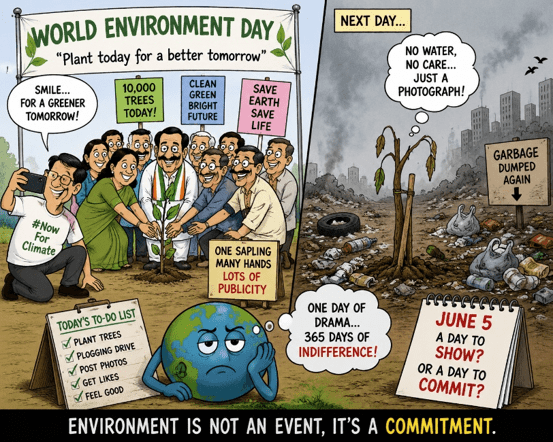
But to what end? Often, the primary motive appears to be uploading a few photographs for social media, school magazines, websites, or annual reports. Ten people posing around a single sapling, a group of children collecting a bag of plastic waste, or a handful of prizes awarded for essays and posters—these scenes are now familiar. Political parties, too, have joined the trend, with leaders posing beside newly planted saplings. One cannot help but ask: why all this showmanship? I must admit that I am not entirely free from this tendency myself. Knowing that littering is harmful does not automatically make someone stop littering or start cleaning public spaces. If taken seriously,  tree planting and plogging can help bridge the gap between environmental knowledge and action. This raises an important question: why is World Environment Day observed across the globe in the first place? World Environment Day, led annually by the United Nations Environment Programme (UNEP), is the world’s largest platform for environmental public outreach. The first World Environment Day was observed on June 5, 1973. The day was established to raise awareness and inspire action on pressing environmental challenges such as climate change, plastic pollution, biodiversity loss, and wildlife conservation. Each year, countries around the world observe the day to highlight environmental concerns and encourage solutions. The United Nations also invites organizations and individuals to register their events on its global portal. Interestingly, India consistently records more registered events than most other countries. Ironically, this is precisely what worries me. When environmental activities become exercises in publicity and online visibility, we risk losing sight of their true purpose. What can one day of action achieve if it is not followed by sustained commitment? Protecting the environment is not a responsibility confined to June 5; it is a duty that belongs to each of us every day of the year. I am not suggesting that awareness programmes should stop. Indeed, they are necessary. However, we must develop a broader and more mature understanding of environmental stewardship. Activities launched on World Environment Day should extend well beyond June 5th. Planted trees should be nurtured and monitored. Plogging drive should lead to lasting cleanliness and behavioural change in that locality. The time has come to revisit the purpose of observing World Environment Day, particularly in India. The success of the day should be measured by the lasting changes we create—in our landscapes, our institutions, and, most importantly, our habits. Only then will World Environment Day become more than a symbolic gesture.
Leave a comment

This site uses Akismet to reduce spam. Learn how your comment data is processed.

When villages turn cities and towns….!

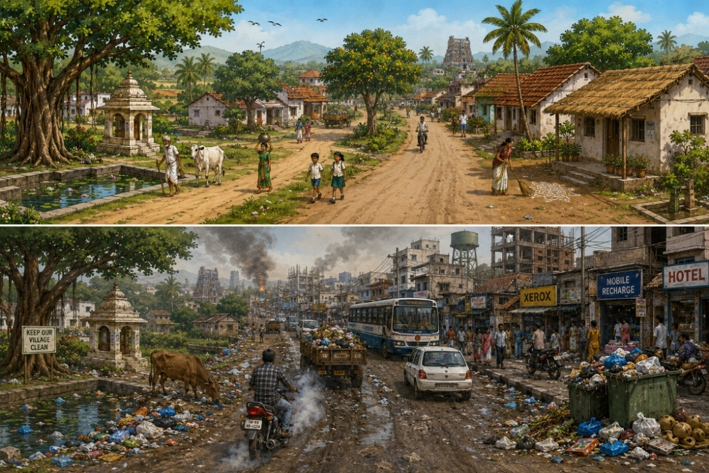
The villages are gradually becoming dirtier, with garbage piling up for days and drains clogging. During my recent visits to nearby villages, I realized they are becoming extensions of urban areas, mirroring the same issues we face daily in towns. Single-use plastics are not a rarity in villages. Our visionaries like Mahatma Gandhi and Abdul Kalam brought innovative ideas of their times for rural areas. P.U.R.A initiative for rural development was the vision of Abdul Kalam. PURA, i.e., Providing Urban Amenities in Rural Areas, a concept by Dr A.P.J. Abdul Kalam, was a far-sighted vision.  He dreamed of villages with physical, electronic, and knowledge connectivity, leading to economic connectivity, which would generate markets and bring prosperity to rural areas. Village Swaraj is Gandhi’s idea of self-reliant, self-governing villages. Now the village swaraj has turned digital with an e-Gram Swaraj portal and an app that covers more than 270000 lakh Panchayati Raj Institutions across 28 states and 6 UTs. So it is clear that the views of visionaries are being enforced. While we are in the process of empowering villages with urban comforts, it is also a fact that the villages are losing their natural atmosphere slowly. The environment is slowly degraded.

I do not blame the Government or the authorities for changing characteristics of the villages. People are to blame for their limited knowledge of modern amenities in villages. I am not against providing urban amenities in village areas. Neither modernization is a bad idea. But retaining the village environment and traditional activities such as cottage industry and agriculture is essential. There are more than 640000 villages in India even today. Indian villages have traditionally been known for clean surroundings, agriculture, water bodies, and a close connection with nature. However, rapid urbanisation, population growth, changing lifestyles, and a lack of proper planning are creating many social and environmental problems in rural areas. As we pass through rural areas, it feels like we are entering a miniature city. The rapid growth of farmhouses and resorts in the traditional villages poses a significant threat to the natural village ecosystem. I am genuinely quite concerned about this situation!

Will the new SWM rules bring change?

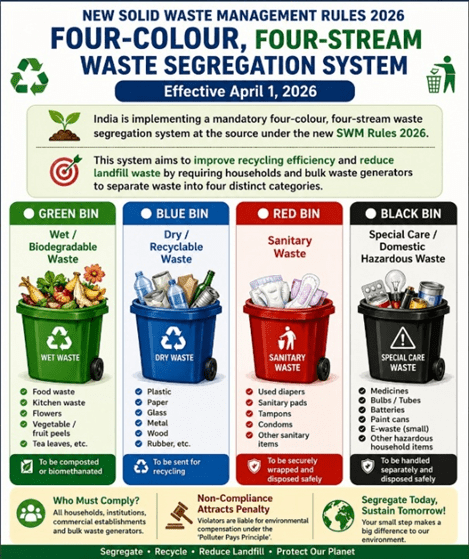
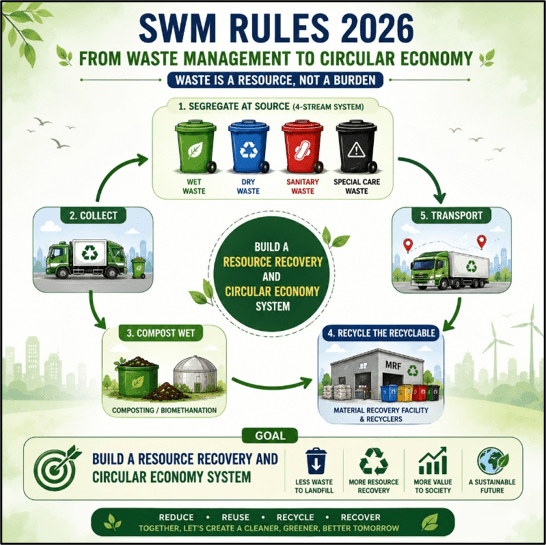
Yes, it should bring change and create a cleaner environment, ideally! But let us look back at the bygone decade. The old rules from 2016 have remained in effect for 10 years, and it’s time to say goodbye to them and introduce new regulations. The new rules were scheduled to take effect on April 1, 2026. However, when I shared my thoughts with South Express readers, I found that many were not well-informed about these changes. Are we serious about implementation? Even large institutions and apartment complexes that are expected to implement these regulations immediately (referred to as Bulk Waste Generators, or BWGs) seemed unaware of them. After 45 days, I now see some mentions of the new rules on social media, but I worry about whether SWM 2026 will garner much attention or face the same fate as the old SWM 2016 regulations. The fundamental concept of having separate bins for dry and wet waste, established in the 2016 rules, has still not been properly implemented to this day. Now, instead of two bins, we have moved to four bins. The government has initiated a more scientific approach in the current set of waste management rules. We need to transition from “Waste Disposal” to “Resource Recovery.” Instead of using two bins, we have now adopted a four-stream system that includes separate bins for DRY and WET waste, as well as SANITARY and SPECIAL CARE waste. Bulk Waste Generators now bear greater responsibility, as new regulations require compliance proofs. Apartments and institutions that generate 100 kg of waste, have an area of 20,000 square meters, or use 10,000 kiloliters of water, must segregate waste at the source. They are also required to start composting their wet waste on the premises. For dry waste and other types of waste, facilities must either recycle the material on-site or obtain the necessary EBWGR (Environmental Bulk Waste Generator Registration) certificates in order to transport the waste to a Material Recovery Facility (MRF). Moreover, a digital Governance is introduced to ensure stronger enforcement, clearly invoking the Polluter Pays Principle to create measurable accountability. In a nutshell, the vision is pointing to a circular economy to emphasize recycling and reuse, generate RDF fuel, encourage biomethanation and ensure landfill reduction

It is a far-sighted vision, undoubtedly, but the question is how it is going to be realized

Are we colour blind?

GREEN, BLUE, RED and BLACK! We all know these colours undoubtedly. The last time when I wrote about the four-stream segregation system, I relied on AI technology to generate four types of bins according to the Solid Waste Management Rules 2026, which were enforced by the Government of India starting April 1, 2026. However, I overlooked the colour codes suggested by these rules. Both the AI and I made an error in this regard. When someone pointed out the incorrect colour code in my representative sketch, I realised my mistake. The person who commented on my sketch in a social media group was quite vocal, urging me to withdraw it from circulation. She may be a municipal official, but I’m not certain. I assured her that I would correct the error, as it was indeed a mistake. It’s common for us to feel defensive when our mistakes are highlighted, but in my case, it was simply an oversight due to my reliance on AI. It’s important to remember that we learn through trial and error in life. But what is a big deal about colour? In the SWM rules 2016, two colour bins were highlighted, namely green and blue. But the reader will agree that not many were so concerned about the colour. We used the bins interchangeably. I have seen many green bins with dry waste and blue bins with mixed waste. Let the Municipal officials touch their hearts and say, how many followed the colour code religiously. When waiting for the boarding call at an airport, I sipped a cold drink from a Tetra Pak. Not so happy with the taste, I wanted to discard it in a blue bin, but I was in a dilemma whether the tetra pak was dry or wet because the wet content was still inside. A used toothpaste tube always has leftover wet contents. Swiggy or Zomato pizza and cakes had sticky food contents in the wraps. We used to dump the dry wrap with wet contents in dry bins. Google AI suggests that it’s better to put it in general waste than to contaminate dry recyclables. But where is the general waste bin? If General bins are also placed, everyone will use the same only. Then the very purpose of segregation at source is defeated. But, don’t worry, most of us are colour blind, and we will continue to mess up with the colours for sure! My main concern now is whether the 4-stream waste segregation system will be effectively followed. When discarding waste, individuals need to determine if an item is dry, wet, sanitary, or hazardous. However, the world is moving at a fast pace, and many people don’t have the time to consider these details. Additionally, education in our country is often insufficient for understanding the basics of waste management. Even those who are well-educated try to find shortcuts for disposal. Recently, I witnessed a high-end car speeding by, and someone inside irresponsibly threw a plastic bag of food waste onto the roadside. Would this obnoxious behaviour happen in advanced nations? It is another matter that we often boast that we are the third-largest economy!

Doing business with old clothes!

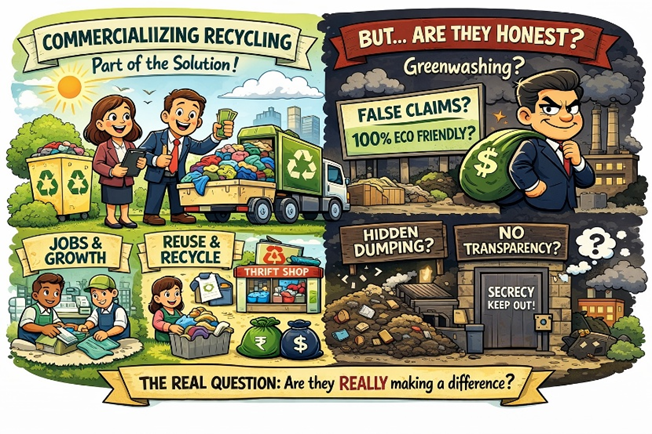
‘Sell your old clothes, and we offer Rs 20 per kilo!’ An advertisement drew my attention. ‘It is attractive. In my house, I have 25 KGs, why can’t I earn some extra income of Rs 500? But I can’t carry the clothes to their recycling yard, how to dispose of them?…’ ‘Don’t worry, we will pick them from your home and deduct a flat Rs 50’. ‘That’s fine, yet I will get RS 450. Not a bad deal!’   The process flow is as follows: You can schedule a doorstep pickup or use their smart bins located in apartments. They offer cash payment (approximately ₹20 per kilogram) for usable clothes or allow for free donations. This cloth recycling and resale platform helps individuals dispose of old clothes responsibly. They sort and grade the items received. Wearable clothes are resold, while damaged items are either upcycled or recycled. Additionally, some clothes may be donated or downcycled into other materials. India generates between 7 and 8 million tonnes of textile waste annually. Some startups have introduced recycling initiatives aimed at reducing landfill waste by promoting reuse before recycling. While diverting even a few tonnes of clothes from landfills is a positive contribution to the environment, we do not oppose such initiatives. However, we condemn the exaggeration and misleading claims made by some startups to attract more capital. Recently, we noticed social media reels from certain renowned platforms highlighting innovative ecopreneurs. One particular reel featured an ecopreneur, presented as an extraordinary young individual, who supposedly used innovative technology to address rainwater clogging in a southern state. However, upon inquiring with locals, we discovered that there is no such project in existence. Further investigation revealed that these upcoming entrepreneurs await huge CSR funding or venture capital, and such reels would help them to get brownie points. Does it not amount to greenwashing? Waste is a significant issue that we are facing, and time is running out. Every urban centre is becoming overwhelmed with garbage. What we need now is a concerted effort to address this problem. There is nothing wrong with pursuing waste recycling as a commercial activity; in fact, it can generate employment. Running a business focused on waste management is not a bad thing. On the contrary, it can inspire more young people to engage in social entrepreneurship. We wholeheartedly encourage this trend and hope that more youth will embrace ecopreneurship. However, any attempts to exaggerate the actions taken will ultimately hinder our progress.

Don’t use WhatsApp/Instagram frequently!

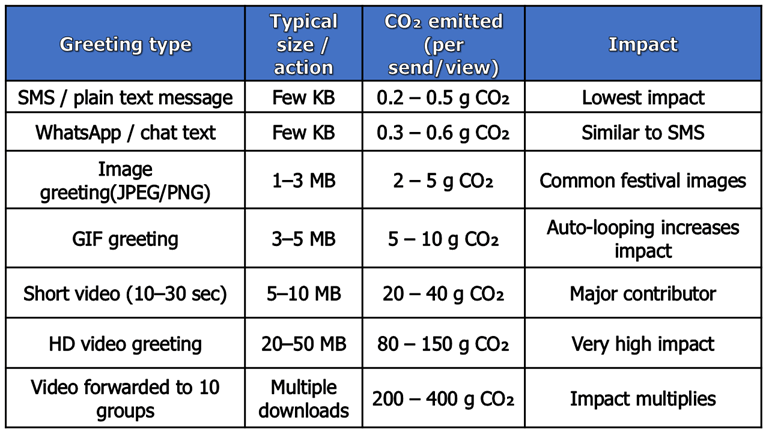
‘Your e-papers rely on circulation through social media. So, why are you stopping others from sharing these important messages?’ I can hear the whispers! That’s why I have cautiously used the word ‘frequently’ in the title. When we wanted to reduce paper usage, environmentally conscious persons started advocating the use of emails. Now it is time to caution against social media posts, or at least greetings. Digital greetings save trees and transport emissions, but excessive images, videos, and mass forwards quietly increase carbon footprints through energy-hungry data systems.  But the carbon footprint for online texting is better. We do not dispute it. The concern is about the huge volume of online messages. Data centres consume electricity as they process and store data at data centres, that run 24×7. They require electricity for servers and cooling devices, which is partly generated from coal or gas power. Every time we send a WhatsApp message, it travels through multiple servers. A Text message may consume very low energy, while a photo requires 10 times more data. Obviously, a video greeting requires hundreds of times more data. Sending the same video to many groups causes repeated downloads, multiplying energy use. Each greeting causes Screen lighting, CPU processing and Battery charging (indirect power use). So we can say that one message is tiny, but if it circulates a billion times, it matters together. Online greetings are still far greener than physical alternatives, but not zero-carbon. Cards with simple text or low-size images may be termed low-carbon cards. It is advisable to prefer them over repeated videos and autoplay videos. Deleting messages frequently is always good. We have given in the box the carbon emissions of online greetings, but they are only estimates, not precise. Understanding the impact helps. Instead of ignoring this topic, let us try to minimise usage to reduce harm to environment. Environmental challenges are subtle. It isn’t easy to decide what to give up and what not. Someone whispered to me that even our breathing releases CO2. That does not mean that we should stop breathing. When there is a significant impact on environment, it requires review.

“Digital greetings are greener than paper, but excessive images and videos quietly burn energy in remote data centres. Let us think globally and act locally”

Definition of mountains changing?

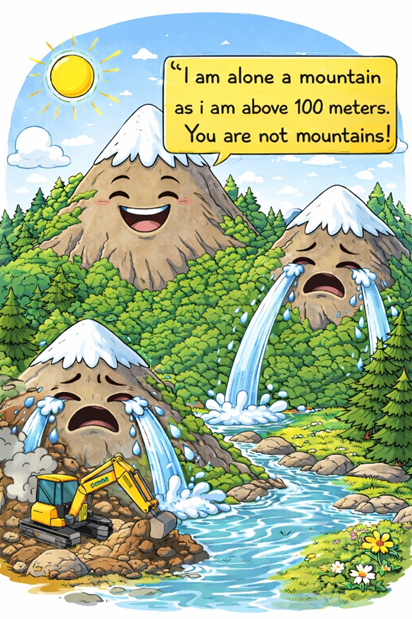
‘What is a mountain?’ If a teacher asks a primary class student, the future students may reply, ‘Any big rocky structure above 100 meters is a mountain’

Mountains that are less than 100 meters in height may not be classified as mountains. This observation is from the Supreme Court’s judgment in the Aravalli case on 20-11-2025, not my own definition. The Aravalli range has largely vanished, leading to protests in North India, particularly in Rajasthan, Haryana, and Delhi. I have nothing new to say, as the subject has already been extensively presented by the media and on social media. My only question is how this 100-meter benchmark has been finalised. Why 100 meters, why not 50 or 25 meters? I do not find any logic or rhyme in such a decision. The decision is arbitrary and challengeable. However, the decision is currently on hold. We need to wait for the Supreme Court to review its decision and possibly consider new definitions in January 2026.

The Aravalli Range is one of the oldest mountain systems in the world, and it faces multiple serious environmental and governance issues, especially across Rajasthan, Haryana, and the Delhi NCR. The core issue is illegal Mining. Extensive mining of stone, marble, and quartz has been occurring. Environmentalists argue that the mining leads to hill flattening, loss of vegetation, groundwater depletion, and dust pollution. The mining mafia is not ready to yield. The second important issue is the clearing of forests for real estate, roads, resorts, and agriculture, which leads to soil erosion and loss of native species. The Wildlife corridors are slowly destroyed due to rampant urbanisation & Real Estate activities. Forest land reclassified as “non-forest” or “revenue land” to permit construction, especially in Gurugram, Faridabad, Alwar, and Delhi NCR areas. The Aravalli range serves as a natural groundwater recharge system, but its destruction has exacerbated the water crisis in Rajasthan, Haryana, and Delhi. The loss of the Aravallis removes a natural barrier against desert dust from the Thar and contributes to severe air pollution in Delhi–NCR. The reduced carbon sequestration has already started creating havoc. There is a threat to biodiversity, and invasive species are seen replacing the natural flora. When the court takes up the case again in January 2026, we hope that some goodwill will prevail and the Earth’s oldest mountain will be saved from destruction. In the name of development, let us not dilute definitions just to accommodate vested interests and then do the mutual mudslinging at the cost of sustainable development

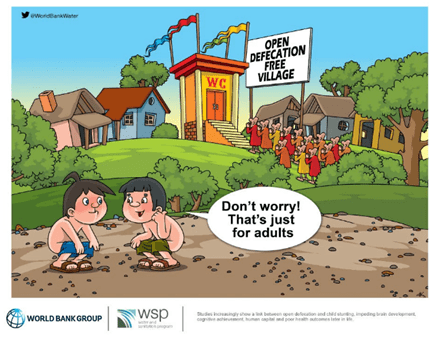
Is open defecation still a problem in the 21st century?

My friend cautioned me, ‘Please be careful while walking.’

A few days ago, we went birdwatching at a location between Bangalore and Mysore. I prefer not to disclose the name on this platform. My friend was right in cautioning me. When I looked down, I noticed human waste everywhere. A long time back, I used to travel by train from Delhi Cantonment to Gurugram. On both sides, we used to see many people relieving themselves, unmindful of the train passing next to them. A luxury train (palace on wheels) used to pass the same route every Wednesday, carrying foreigners to see Jaipur, Jodhpur etc. We used to wonder what the tourists would think of our country.

Whether it is a lake bund or any other water body, people do not hesitate to relieve themselves. And this is not an isolated case. And the situation is not just in rural areas, but Urban areas too. India is not yet open defecation-free (ODF), although the Government of India constructed 630000 public toilets under the Swachh Bharat Mission – Urban. This may sound exaggerated, but it is true. This count includes public and community sanitation facilities built to provide toilets in markets, bus stands, railway stations, parks, and other public places. Government data indicates that most villages have achieved ODF Plus status. However, external reports from various sources suggest that having a toilet does not guarantee its use. Neither the number ensures cleanliness of the public conveniences. Mindset is also an important factor. Many villagers prefer to choose open area. Lake bunds and river sides are easy targets. During our walk along the river and lakeside, just a fortnight ago, we were personally witness to this bitter reality. Most of the Southern states have access to household toilets, but in some northern states, such as Bihar, the situation is far below.  Some may have a wrong notion that human waste is biodegradable and nothing to worry about. Years back, a data was released about the water quality of river Yamuna at Delhi. At Okhla, a test conducted by researchers revealed that the Coliform bacteria (found in fecal matter) was a formidable 11.8 Crore in 100 ML as against the tolerant level of 5000 bacteria in 100 ML. So the bacteria may cause harmful disease if left in the open. Children may be infected easily. But we must not forget the reality. A full-fledged socio-cultural change besides economic improvement among common men need to blossom to accept the health aspects of cleanliness

DO YOU KNOW? 3.4 billion people still live without safely managed sanitation services – nearly half the world’s population.   354 million people still practise open defecation, increasing the risk of disease and harm, especially for women and girls. (SOURCE: WHO/UNICEF, 2025)

Torturing animals is suicidal!

Published in South Express on 13.12.25

Disturbing visual! Why don’t admins remove video clips of animals being tortured?

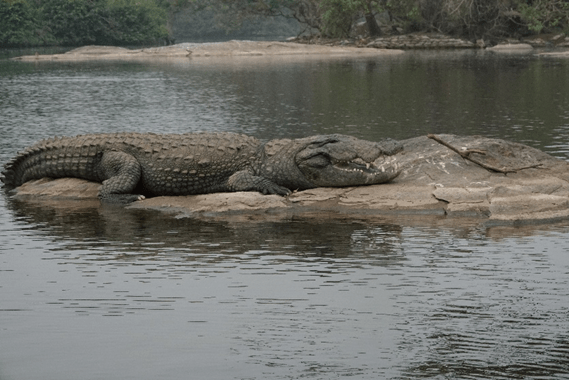
A social media post caught the attention of the admins in a WhatsApp group. Indeed, the clip was quite disturbing! It showed a live crocodile being skinned. A Chinese woman used a knife to remove the top layer of a crocodile’s skin to create a stylish ladies’ handbag. If a weak-hearted person sees the clip, he would even faint. Now the question is whether the post is scary or the action. In another clip, it was explained how shuttlecocks are manufactured using feathers plucked from live pigeons. Shockingly, millions of feathers are taken from these birds while they are still alive. We do not want to debate whether such practices should be banned, but it is a fact that animals are being tortured. Cruelty toward animals for meat, milk, eggs, leather, wool, or silk is a major ethical concern worldwide. We cannot stop killing animals for meat. Any debate for this will end in controversy. But unconfirmed sources quote the world’s non-vegetarians as between 75% and 90%. However, in India, A 2021 survey found that about 39% of Indian adults describe themselves as “vegetarian.”  Slaughterhouses, in general, claim to kill animals at one go and without torture. This is what we understand, and we may be wrong. The animals are part of the food chain, which we acknowledge. Our concern lies with the cruelty inflicted on animals.

What is more painful to hear is that many wild animals and birds are tortured and killed for purposes other than food. Tigers are poached for their nails, teeth and bones. Metal traps used for killing them cause slow and painful death. Monkeys are forced to perform in street shows, kept in chains, and beaten until they obey commands. In traditional practices like “dancing bears” (now banned), bears had their teeth broken and noses pierced with hot rods. Crocodiles are killed brutally or skinned while alive for leather. Snakes are nailed to trees and skinned alive in illegal markets. Snake charmers remove fangs, causing infection and starvation. In Tamil Nadu, for kili josiyam (parrot astrology), flight feathers of rose-ringed parakeets are cut painfully so they cannot fly away and are used to pick fortune cards, even though they are protected under Schedule 4 of the Wildlife Act. It is an offence as per the law. The above are only indicative examples, not exhaustive. Instead of condemning social media posts that show cruelty towards animals, just because they induce palpitations, group members must come forward to become the voice for the voiceless. People who forward such posts must add a sentence cautioning the weak-hearted people to avoid seeing them. In our opinion, bringing such horrible episodes to the limelight will help create awareness and stop cruelty to animals.

Cyclone – brings strangers, raises brows!

Published in South Express on 6.12.25

Yes, I am referring to the Amur falcons that were carried to Point Caimere by the strong winds during the recent cyclone. This attracted media attention and raised the eyebrows of environmentalists. It is but natural that a cyclone creates havoc. Obviously, Cyclone Ditwah also brought heavy rain and strong winds to the Tamil Nadu and Puducherry coast. After creating havoc in Sri Lanka, it has slowly lost its intensity as it crossed the Indian shore. But there were some unusual developments during this cyclone. Various marine species and birds were washed ashore. Two Amur falcons were blown off course during their migration and landed on the Point Calimere (Kodiakarai) coast. These birds are passage migrants and typically migrate through Gujarat and Maharashtra, but the cyclone forced them to divert from their usual route. Are these isolated cases, and could they be neglected? We need to wait and see whether these falcons will stay in the eastern coast or will return to their regular migration route in the western shore. In general, the Amur Falcon stays in India for a brief time. We do not know how the stranded birds will respond to this change. (Picture courtesy: birds of the Indian Subcontinent by Richard Garmmett & others)

This is just one side of the game. I recently came across a viral video showing an elephant saving a spotted deer stranded in floodwaters caused by the cyclone. In another instance, a leopard climbs onto an elephant to escape the floods. These animal behaviours are abnormal and misleading. Comments have already indicated that these video clips are AI-generated. Why these social media champions pass false and fabricated videos is anyone’s guess. Perhaps, more followers may help them monetise their page. But in the process, they pass on misinformation. Today’s netizens must ensure twice that a viral video is genuine or doctored. Else the misinformation would spread like wildfire. The fallout of such misinformation will be harmful and create disturbance to the behavioural pattern of human beings.

Cyclone is a serious matter. Today, Sri Lanka is under a nationwide state of emergency after Cyclone Ditwah triggered catastrophic flooding across the western provinces, killing at least 366 people and leaving entire neighbourhoods submerged. Residents wade through chest-high waters, stranded without food or shelter as they plead for urgent assistance. It seems to be the worst disaster in the country’s history. According to the Disaster Management Centre, key infrastructure like roads and bridges, power and rail networks are damaged and over a million people are affected. While Cyclone Ditwah has weakened into a deep depression near Tamil Nadu, officials warn that floodwaters may take days to recede. Under such a serious calamity, spreading rumours and misinformation will add more damage than good

Is Bangalore inching towards Delhi?

Published in South Express on 29.11.25

AQI in Bangalore has crossed 100

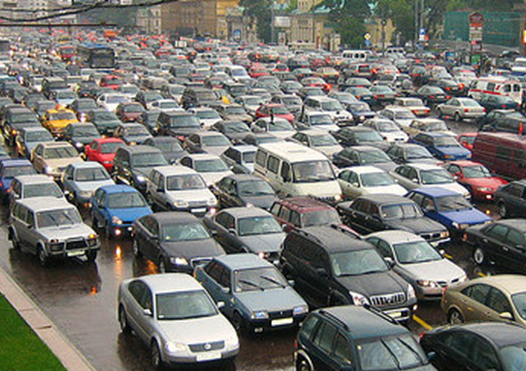
This is the top news nowadays. For residents of Bengaluru, the fact that the Air Quality Index (AQI) has breached the 100 mark has led to widespread cynicism. Many people are vociferous about the increased air pollution levels caused by heavy traffic and ongoing construction works. Indeed, the city is no longer the historical “Garden City” it once was. The innumerable residential construction projects and corporate skyscrapers have caused more harm than good. It is high time that the policymakers put a halt to the licensing of such construction and consider expanding to nearby towns like Tumkur. The increased migratory population has slowly started telling upon the most preferred Bangalore weather. Summers are prolonging, and more air conditioning units are seen near every balcony. Lifestyle changes have led residents to go for a second car. But comparing Delhi, Bangalore is far better. Delhi’s air pollution, which has breached 400 mark, is turning the city into a gas chamber. The situation is grim and worse when compared to top cities of the world. While Bengalurians may console themselves by comparing Delhi, they need to understand that Bengaluru is nowhere better than Delhi. Situated in the Gangetic plains, Delhi’s terrain resembles a bowl, which allows air pollutants to linger over the city for extended periods, particularly when mixed with winter fog. In contrast, Bangalore is located on the Deccan Plateau, giving it a convex shape. This topography causes air pollutants to disperse more easily, creating the impression that pollution is better managed in Bangalore. However, if increasing pollution is not addressed promptly, the city could eventually face the same challenges as Delhi.

Delhi faces several urgent challenges, including high vehicular pollution levels, ongoing construction, and harmful practices such as garbage and stubble burning from neighbouring states. These issues have been lingering for years, with no tangible solution in the near future. Doctors started advising patients to leave Delhi. While neighbouring states report a notable decrease in stubble burning, it is clear that the measures implemented by authorities in Delhi are insufficient. Additionally, residents of Delhi are often reluctant to step out of their comfort zones and opt for public transportation, despite the excellent Metro connectivity available in the city. In Bangalore, the situation is getting worse and inching towards a stage of no return. The fact that the AQI has crossed 100 is also a dangerous indication. If there is no tab on the new constructions, the PM2.5 level will definitely go up. Metro and flyover construction is severely delayed. Damocles’ sword hangs over the city as the 16.7 km, ill-conceived, unscientific Tunnel project prepares for its ground-breaking ceremony in February 2026. While Bangalore is gearing up to face the increased traffic snarls due to the tunnel project, it is worrisome to imagine where PM 2.5 levels will reach. God alone can save Bangalore!

Where are the migratory ducks?

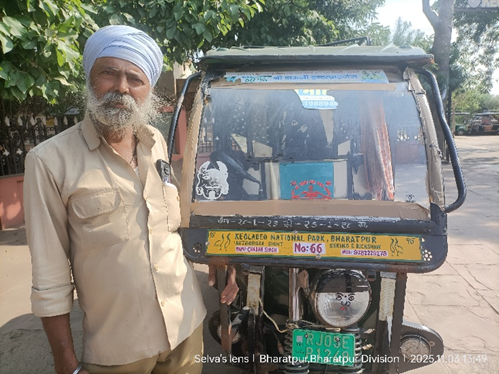
Sardar Charan Singh appeared downcast when we boarded his e Rickshaw from the hotel where we stayed. E-Rickshaw No. 66 had not seen many tourists this season. As a senior birding guide with four decades of experience, Charan Singh, the authorised rickshaw driver, is more than just a driver. He shares insights about the woolly-necked stork, shovellers, Garganey, comb ducks, and the collared scops owl. While these uncommon bird species may not be so important to normal tourists, seasoned birders often seek out such unique names while chatting with the rickshaw drivers. To successfully capture images of birds like the Garganey, Gadwall, Red-crested Pochard, Comb Duck, Black Bittern, or Nightjar, birdwatchers often rely on the expertise of guides. Sardar knows exactly where the Nightjars are likely to be perched, ensuring that his customers leave delighted. However, Charan Singh was feeling dissatisfied this time. Due to the El Niño effect, the weather was unusually hot, even for November. Typically, this time of year would attract many migratory birds to Bharatpur. But Charan Singh is determined to show some special birds to the bird lovers. So, even before the birders get disappointed, he seeks permission to go to a nearby area, about a KM away from the national park.  Though initially it appeared a typical guide mindset to market something, a drive with him was not disappointing. The birds seemed to have taken a new abode, it looked like. We had a glimpse of all three species of Cormorants, Spoonbills, Openbills and night herons besides the usual egrets, jacanas, coots and moorhens. Thousands of water birds congregated here for hatching and breeding. It appears that the Rajasthan Govt had decided to convert this place into a heronry. At least this is what a rusted board indicated. When we returned to the Sanctuary and started moving inside, we were a little bit disappointed as there were not many water birds except Painted Storks in thousands. Charan Singh said that the breeding of Painted storks was delayed this year. Some common birds were also missing. Saurus crane was not seen anywhere. We were looking for migrants but were disappointed. Initially, we thought of making two rounds, one in the morning and another in the evening. But, realising that migrants were missing, we packed up and wanted to return. But Charan Singh took us around on unknown routes, trying to help us spot a few uncommon birds. Of course, it helped us to spot a Jackal and a spotted deer. But that is not what we looked for. Though the local guides still pin hope on the arrival of migratory ducks by November end, the fact of delay in migration clearly indicates that the El Niño situation may be intensified into climate change. In old books, there is evidence for counting 500- 600 species; the present-day guides estimate 300 to 400 species during the migratory season. The global hotspot, Keoladeo National Park, which looks deserted and dry, does not appear to have any hope for tomorrow. However, we could record 82 species of birds in 4 hours