
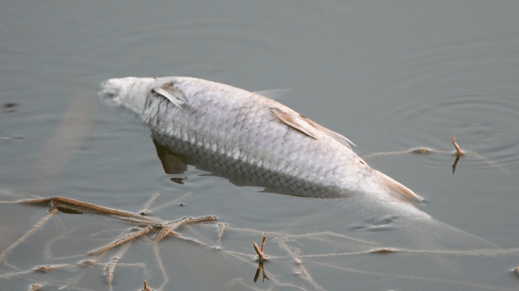
Imagine a scuba diver surrounded by water but unable to breathe the oxygen dissolved in it without special equipment. Fish, however, possess built-in “scuba gear” (gills), allowing them to extract oxygen from water. Unfortunately, they cannot utilize the abundant oxygen in the air because they lack lungs. Air contains about 21% oxygen, whereas water, even in optimal conditions, contains only 8–10 mg of dissolved oxygen (DO) per litre—thousands of times less than what is available in the atmosphere. Despite this, fish thrive because their bodies are adapted to extract that small amount of oxygen efficiently. Fish can survive in environments with very low levels of dissolved oxygen due to the high efficiency of their gills. However, those same gills do not function properly in air, even though it has a much higher oxygen content. Dissolved oxygen is the amount of oxygen gas (O₂) dissolved in water, and it is a crucial indicator of the health of rivers, lakes, ponds, reservoirs, and wetlands, as aquatic organisms depend on it for survival. Various organisms, including fish, insects, crabs, and snails, rely on dissolved oxygen, and beneficial bacteria require it to decompose organic matter. Low DO levels can cause stress, poor growth, and even death for aquatic life, making it a key parameter for assessing water quality. Photosynthesis increases dissolved oxygen levels, as aquatic plants and algae release oxygen during the day. However, DO levels can decrease due to several factors, such as higher water temperature, sewage discharge, organic waste, excess fertilizer, leading to algal blooms, stagnant water, industrial pollution, and nighttime respiration by plants and algae. As water temperature rises, its ability to hold oxygen decreases. For example, at 0°C, the DO level in water is 14.6 mg/L, while at 30°C, it drops to 7.6 mg/L. This illustrates why fish are more vulnerable during the hot summer months. Dissolved oxygen levels fluctuate throughout the day. For healthy aquatic life, a DO of 5 mg/L or higher is generally considered desirable. Many river monitoring programs in India use this benchmark to assess water quality. Different fish species have varying DO requirements; for instance, trout and salmon typically need DO levels above 7 mg/L, while species such as catfish and carp can tolerate lower levels. A sudden fish kill can occur when DO drops below about 2 mg/L. During algal blooms, oxygen may be abundant during the day but can sharply decrease at night, creating dangerous conditions for aquatic life. Oxygen is essential for the survival of all living organisms. For humans, the net oxygen intake is about 50 ml per liter, while aquatic life requires even less. Nevertheless, this small amount is crucial for their survival. If water levels drop or if the water becomes contaminated, fish can die from a lack of the minimum required oxygen. Therefore, it is essential to maintain water quality to ensure the survival of aquatic life.

